Pet-Friendly Remodeling Ideas for Connecticut Homes
What are the best ways to make a home more pet-friendly? The most effective approach is to plan for the daily routines that create the most wear: muddy paws, wet coats, feeding, bathing, shedding, scratching, and outdoor movement. By combining durable materials with optimized storage and safer transitions, you can create a home that is easier to maintain, more comfortable for pets, and more attractive to future buyers.
Connecticut homes also need to handle seasonal moisture, snow, salt, and changing temperatures. The following remodeling ideas can help you design a pet-friendly home without sacrificing timeless elegance or efficient use of space.
Durable Flooring Protects Your Home and Simplifies Cleanup
Flooring is one of the most important decisions in a pet-friendly remodel because it receives constant exposure to claws, grit, spills, and moisture. Tile and luxury vinyl plank are practical choices for mudrooms, kitchens, bathrooms, and basements because they are easy to clean and available in finishes that complement both traditional and modern interiors. A textured or matte surface can also improve traction, giving pets greater stability on busy walkways.
Engineered hardwood can provide warmth and timeless elegance in living areas when selected with a durable finish and a design that does not highlight every mark. Low-pile carpet may work well in bedrooms or quiet areas, especially when paired with washable rugs that add comfort and help protect the underlying surface. Review material specifications carefully, since water resistance, wear layers, surface texture, and maintenance needs vary by product.
Professional flooring installation can improve long-term performance by addressing subfloor preparation, transitions, and finish details before the new surface is installed. A well-planned floor protects your remodeling investment while making everyday sweeping, vacuuming, and spot cleaning more efficient.
A Functional Mudroom Controls Mud, Moisture, and Clutter
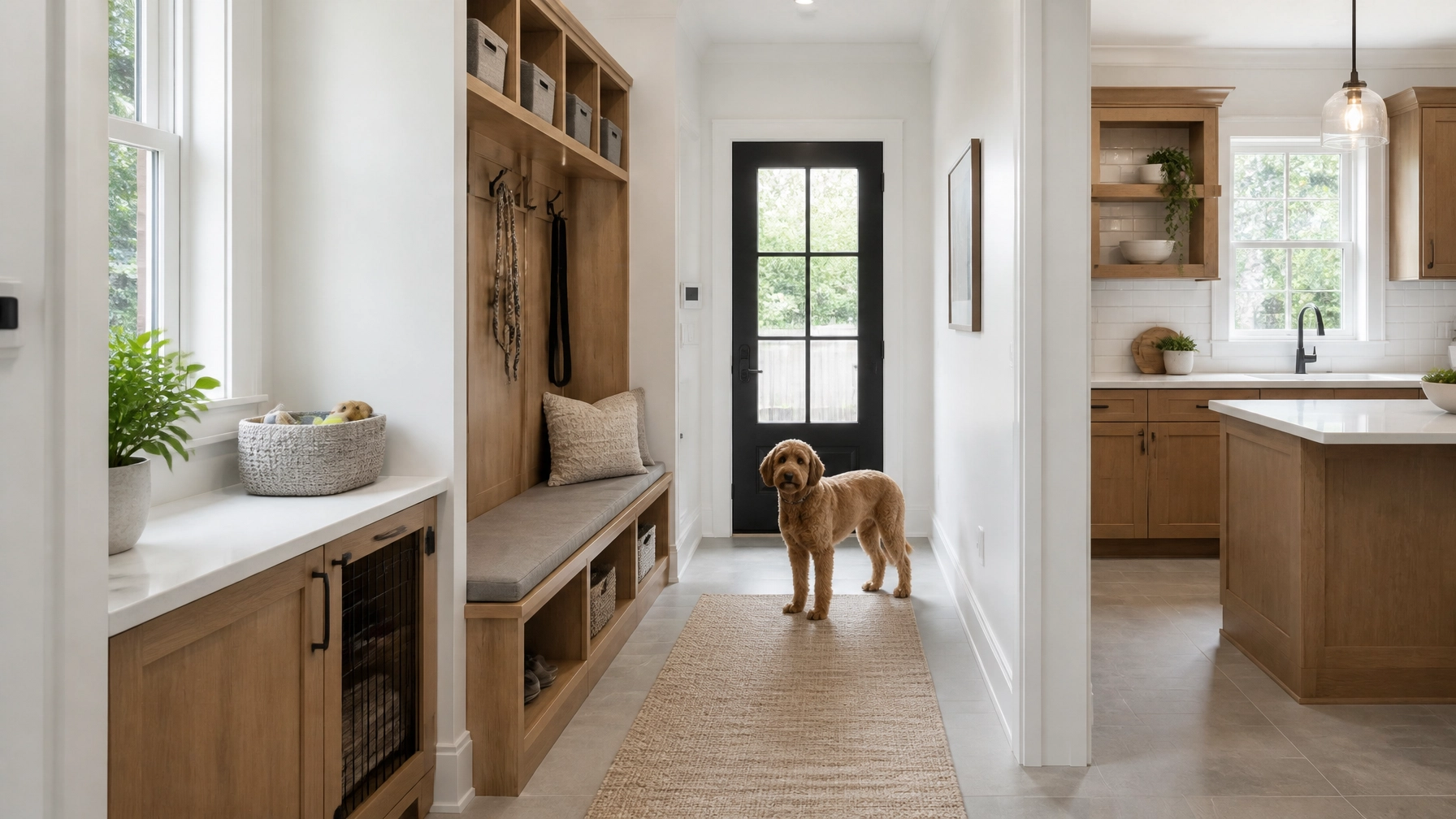
A mudroom creates a valuable buffer between the outdoors and the rest of the home. In Connecticut, this transition zone can help contain snow, rain, leaves, and soil before they reach hardwood floors or carpet. Place a durable floor at the entry, then add a washable runner or mat where pets and family members naturally pause.
Built-in benches with cubbies provide a designated place for leashes, towels, boots, and seasonal gear. Hooks at multiple heights keep everyday items accessible, while closed cabinets can conceal grooming supplies, food containers, and cleaning products. Semi-gloss paint or wipeable wall panels near the entry can reduce maintenance and help the space retain a finished appearance.
If you are considering a dedicated mudroom remodeling concept, plan the room around movement from the exterior door to the kitchen, laundry area, or pet washing station. This seamless movement reduces tracked-in debris and can make the entire main floor feel more organized.

An Indoor Pet Washing Area Reduces Mess at the Source
An indoor washing area can be especially useful for homes with active dogs, older pets, or frequent exposure to wet Connecticut weather. Positioning the station near a garage entry, mudroom, laundry room, or walk-out basement limits the distance a wet pet must travel through the home. A low-step basin or tub can make the area easier to use while reducing lifting and handling.
Porcelain or ceramic tile on the floor and lower walls provides a durable, easy-to-clean surface for splashes and muddy paws. Select floor tile with an appropriate textured finish to support traction when wet, and use a handheld sprayer to improve control during rinsing. A recessed niche or nearby cabinet can keep shampoo, brushes, towels, and drying supplies within reach.
Ventilation is another useful design consideration because it helps manage humidity after bathing. The right layout turns pet care into a contained household routine, protecting adjacent finishes and reducing the need for frequent cleaning throughout the home.
A Built-In Feeding Station Improves Safety and Organization
Feeding areas often become cluttered when bowls, food bags, treats, and water containers are placed wherever space is available. A built-in station gives these items a permanent location and can improve circulation through a kitchen, pantry, or mudroom. Locate the station outside the main work aisle so people and pets can move through the room without bumping into bowls.
A pull-out drawer with bowl cutouts can keep feeding dishes neatly aligned and easy to remove for washing. A tall pantry cabinet or sealed storage compartment can hold kibble and treats away from moisture, pests, and curious pets. Durable tile or luxury vinyl beneath the station helps protect the floor from water spills and food debris.
Consider a small ledge or backsplash behind the bowls to make wall cleaning easier. Soft toe-kick lighting can improve visibility at night without adding glare, while a nearby pull-out bin can simplify disposal of empty packaging and used cleaning materials.

Thoughtful Fencing Creates a More Secure Outdoor Routine
Fencing should be planned around the pet’s size, activity level, behavior, and the way the yard is used. Pet-safe spacing, secure gate hardware, and limited gaps near the ground can help create a more reliable boundary. A self-closing and self-latching gate is a practical feature for households where family members frequently carry groceries, tools, or outdoor equipment through the yard.
Material selection affects maintenance and long-term appearance. Vinyl can provide a low-maintenance finish, aluminum offers visibility and a clean profile, and properly maintained wood can complement traditional Connecticut architecture. The best choice depends on the home’s exterior, the desired level of privacy, and the amount of seasonal upkeep you are prepared to manage.
Avoid designing the fence as an isolated feature. Coordinate its placement with patios, decks, walkways, planting areas, and exterior doors so the yard has an intuitive circulation pattern. A well-integrated fence can improve daily convenience while making the property more attractive and cohesive.
Exterior Updates Reduce Mud and Extend Outdoor Use
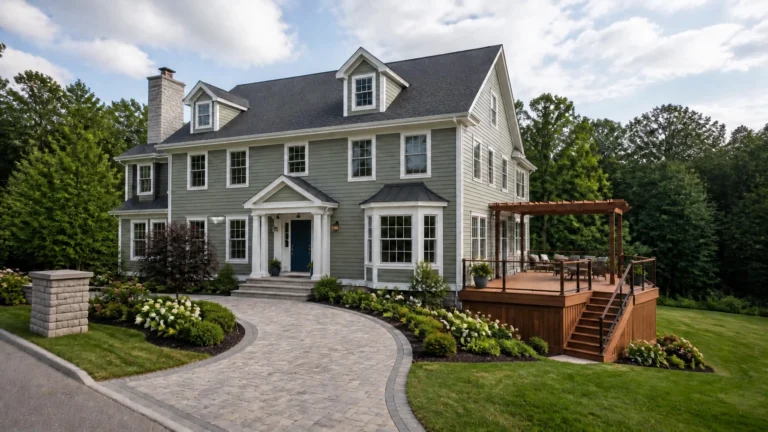
Exterior improvements can make pet routines cleaner and more comfortable throughout the year. A paver or concrete path between the door, fence gate, and play area can reduce the amount of soil tracked indoors. A designated dog run with an easy-to-maintain surface can also protect lawn areas from concentrated wear and help define where outdoor activity takes place.
Decks and patios can provide durable outdoor zones for relaxing, feeding, and supervising pets. Include shaded areas, comfortable transitions, and enough open space for movement rather than filling every part of the yard with hardscape. An exterior hose connection near the pet area can make rinsing paws, toys, and bowls more convenient.
Siding, roofing, and window updates can further improve the home’s weather protection and exterior appearance. When these improvements are planned together, they support better moisture management, more consistent curb appeal, and longer-lasting performance. Explore related deck services and patio services when planning a connected outdoor living area.

A Phased Plan Helps You Prioritize the Highest-Value Improvements
Start by identifying the areas where your pet creates the most maintenance: the primary entry, feeding zone, sleeping area, or yard connection. Replacing vulnerable flooring and improving the mudroom can deliver immediate functional benefits. A washing station, built-in feeding area, or fencing upgrade can then be incorporated when the surrounding room or exterior is already being remodeled.
Create a materials checklist that includes moisture resistance, traction, scratch visibility, cleaning requirements, and replacement access. Also map the way your household moves through the space during busy times, such as mornings, winter arrivals, and feeding routines. This planning process helps you avoid attractive features that interfere with circulation or require unnecessary maintenance.
For broader planning, review CT Home Remodeling LLC’s home remodeling services to consider how flooring, cabinetry, bathrooms, basements, additions, decks, and patios can work together. Based in Andover, Connecticut, CT Home Remodeling LLC serves homeowners throughout Central and Eastern Connecticut. Backed by 17 years of remodeling and construction experience, the family-owned team focuses on clear communication and durable craftsmanship from the initial consultation through completion.
Frequently Asked Questions About Pet-Friendly Remodeling
What is the best flooring for homes with dogs or cats?
The best flooring depends on the room and your pet’s habits, but tile and luxury vinyl plank are often practical for moisture-prone, high-traffic areas. Engineered hardwood can work well in living spaces when paired with a durable finish and routine maintenance. Choose texture and performance characteristics based on traction, cleaning, scratching, and water exposure.
Where should a pet washing station be located?
A pet washing station usually works best near an exterior entry, mudroom, laundry area, garage entry, or walk-out basement. These locations limit the distance a wet or muddy pet must travel through the home. The surrounding floor and wall surfaces should be selected for moisture exposure and easy cleaning.
How can I keep pet supplies organized during a remodel?
Use a combination of closed cabinets, pull-out drawers, hooks, cubbies, and sealed storage containers. Place leashes and towels near the entry, food near the feeding station, and grooming supplies near the washing area. Grouping supplies by routine reduces clutter and makes daily care more efficient.
What exterior updates are most useful for pet owners?
Secure fencing, durable paths, designated outdoor zones, shade, and a convenient hose connection can all improve daily use. Paths help reduce mud tracking, while a defined dog run can protect high-wear lawn areas. Coordinate these features with decks, patios, doors, and the overall landscape for better movement and long-term durability.
Can a pet-friendly design still look refined?
Yes. Neutral tile, wood-look luxury vinyl, integrated cabinetry, concealed storage, and coordinated exterior materials can provide both performance and timeless elegance. The goal is to incorporate pet needs into the layout and material selections rather than treating them as separate additions.
Plan a Pet-Friendly Home Designed for Daily Life
A pet-friendly remodel should make cleaning easier, movement safer, and storage more organized while protecting the long-term value of your home. CT Home Remodeling LLC is based in Andover, Connecticut, and serves Central and Eastern Connecticut, including Hartford, Tolland, Windham, Middlesex, New London, and New Haven Counties. When you are ready to explore a durable, tailored remodeling plan, contact CT Home Remodeling LLC to discuss your goals with an experienced local team.
SEO Title
Pet-Friendly Remodeling Ideas for Connecticut Homes
Meta Description
Discover pet-friendly remodeling ideas for Connecticut homes, including durable flooring, mudrooms, pet washing areas, feeding stations, fencing, and exterior updates.
URL Slug
pet-friendly-remodeling-ideas-connecticut-homes
Image-Alt Suggestions
- Bright Connecticut mudroom with durable tile flooring, built-in storage, and a family dog near the entry
- Pet washing station with slip-resistant tile, handheld sprayer, storage niche, and neutral mudroom finishes
- Built-in kitchen pet feeding station with custom cabinetry, stainless bowls, and easy-care flooring
- Connecticut home exterior with secure fencing, paver paths, a durable deck, and a designated pet-friendly yard area