Roofing Contractors CT: What Homeowners Should Know Before a Roof Replacement
A roof replacement is one of the most important maintenance decisions a Connecticut homeowner will make. The roof protects the roof deck, insulation, framing, siding, windows, and interior finishes from rain, snow, wind, and seasonal moisture. Choosing the right roofing contractors CT homeowners can rely on requires more than comparing materials or selecting the first available estimate.
This guide explains how to determine whether your roof needs repair or replacement, which roofing materials suit New England conditions, what the installation process involves, and which questions to ask before hiring a contractor. With the right planning, a new roof can improve weather protection, reduce maintenance, make your home more attractive, and support long-term property value.
An Early Inspection Helps Prevent Expensive Interior Damage
Roof problems are often easier and more economical to address when they are identified before water reaches the living areas. A professional inspection should evaluate the shingles, flashing, roof valleys, ventilation, gutters, underlayment, and visible decking. It should also distinguish between isolated damage that can be repaired and widespread deterioration that makes replacement the more practical investment.
Homeowners in Hartford, Tolland, Windham, Middlesex, New London, and New Haven Counties should schedule an inspection after major wind or winter storms and whenever the roof shows visible changes. A qualified contractor can document findings with photographs and explain which conditions require immediate attention. This information provides a clearer basis for planning instead of waiting for a ceiling stain or active leak.
These Warning Signs May Indicate a Repair or Replacement
Roof age: Asphalt shingle roofs commonly have a service life that varies by product quality, installation, ventilation, and weather exposure. A roof approaching or exceeding its expected service period deserves a detailed evaluation, even if it has not yet developed an obvious leak. Replacing an aging roof proactively can reduce the risk of emergency water damage and help you coordinate related exterior improvements more efficiently.
Shingle damage: Missing, cracked, curling, blistered, or lifted shingles can expose the underlayment and roof deck to moisture. A few damaged shingles may be repairable, but widespread deterioration suggests that patching may only postpone a larger project. Consistent shingle performance improves wind resistance and helps maintain a uniform, finished appearance.
Leaks and interior water stains: Discoloration on ceilings or walls, damp attic insulation, peeling paint, and musty odors can indicate roof-related moisture. Water does not always appear directly below the point of entry, so tracing a leak requires more than sealing the nearest visible crack. Prompt investigation helps protect insulation, drywall, electrical components, and structural framing.
Granules in gutters: Asphalt shingles shed protective granules as they age. A small amount can be normal, but heavy accumulation or visibly bare areas on shingles may indicate that the roof is losing its weather-resistant surface. Clearing gutters without investigating the source can leave the underlying problem unresolved.
Sagging or uneven rooflines: A dip or wave in the roof may point to deteriorated decking, trapped moisture, inadequate framing, or another structural concern. This condition should be evaluated promptly because it can affect both safety and the scope of work. A replacement estimate should clearly explain whether structural repairs may be required.

The Right Connecticut Contractor Provides Verifiable Protection
Credentials and registration: Ask for the contractor’s Connecticut Home Improvement Contractor registration information and verify that it is current. Connecticut’s Department of Consumer Protection guidance recommends that homeowners verify credentials, review contracts carefully, and remain cautious of unsolicited storm-related offers.
Insurance coverage: Confirm that the contractor carries general liability insurance and workers’ compensation coverage. These protections help reduce your exposure if property damage or an on-site injury occurs. Request current certificates rather than relying only on a verbal assurance.
Local reputation: Contractors with experience in Central and Eastern Connecticut are familiar with local permitting practices, common home designs, winter weather, and freeze-thaw conditions. Review customer feedback, project photographs, and references from comparable homes. CT Home Remodeling LLC’s customer reviews provide examples of the company’s emphasis on communication, respectful crews, and organized project delivery.
Written estimates and contracts: A professional proposal should describe the material manufacturer and product line, underlayment, flashing, ventilation, removal of existing roofing, decking allowances, permits, cleanup, payment schedule, and warranties. Avoid accepting a vague lump-sum description that does not explain what is included. A detailed contract makes it easier to compare contractors based on scope and quality rather than on a single number.
Warranty documentation: A new roof typically includes a manufacturer’s material warranty and a separate contractor workmanship warranty. Ask what each warranty covers, how long it lasts, what exclusions apply, and whether enhanced manufacturer coverage requires a certified installation. Keep copies of the contract, product documentation, inspection records, and final permit information.
Connecticut’s Climate Makes Installation Details Matter
Connecticut roofs must handle snow, wind, rain, ice, and repeated temperature changes. Freeze-thaw cycles can cause materials to expand and contract, while ice dams can force melting snow beneath shingles and into vulnerable roof edges. Proper installation details are therefore as important as the visible roofing material.
Ask how the contractor will address ice-and-water protection at eaves, valleys, penetrations, and other areas prone to backup. Confirm that attic insulation and ventilation will be evaluated, because excess heat escaping into a poorly ventilated attic can contribute to uneven snow melt and ice-dam formation. The Connecticut roofing permit and building-code guidance can help homeowners understand why permits, underlayment, and code-compliant installation matter.
Winter storms also make flashing and edge protection critical. Properly installed flashing around chimneys, skylights, dormers, walls, and plumbing penetrations helps direct water away from the roof assembly. Strong fastening patterns, correctly installed drip edges, and secure ridge and hip details support long-term performance during high winds.
Material Selection Balances Durability, Appearance, and Return on Investment
Three-tab asphalt shingles: Three-tab shingles are a straightforward option with a consistent appearance and lower material complexity. They may suit certain roofs and project plans, but they generally offer less dimensional depth and may have a shorter service life than heavier architectural products. Homeowners should compare wind ratings, warranty terms, and expected maintenance rather than selecting solely on initial budget.
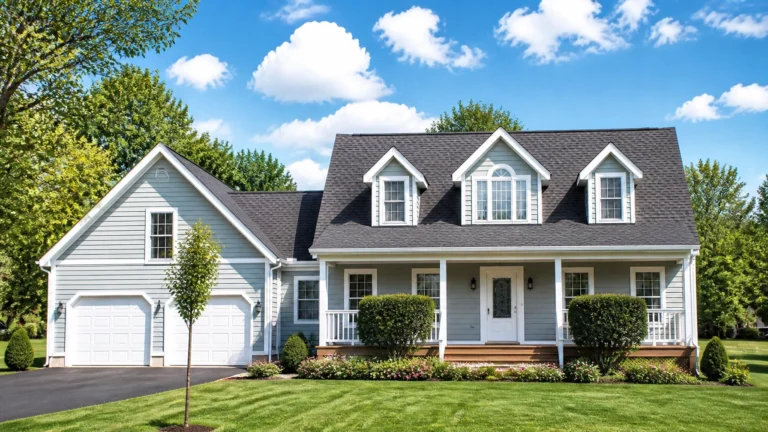
Architectural asphalt shingles: Architectural, or dimensional, shingles use a layered profile that provides greater visual depth and a more substantial finished appearance. They commonly offer improved durability and wind resistance compared with basic three-tab shingles, making them a practical choice for many Connecticut homes. Their balanced combination of appearance, performance, and broad product availability can support both everyday protection and resale appeal.
Metal roofing: Standing-seam and other metal roofing systems can provide long service life and effective snow shedding on appropriately designed roofs. Metal is especially worth considering when a homeowner prioritizes longevity, reduced maintenance, and a modern exterior profile. The structure, roof pitch, fasteners, ventilation, snow guards, and transitions must all be evaluated before installation to ensure the system is suited to the home.
A material decision should also consider the roof’s pitch, architectural style, surrounding trees, attic conditions, and the homeowner’s long-term plans. A qualified contractor can explain how each option performs in the specific location rather than recommending a one-size-fits-all solution.

A Professional Roof Replacement Follows a Defined Process
1. Inspection and planning: The contractor evaluates the existing roof and identifies damage, ventilation concerns, flashing conditions, and possible decking repairs. The proposal should define the recommended scope and identify items that may only become visible after removal.
2. Material and permit coordination: Before work begins, the contractor confirms product selections, delivery, scheduling, site access, and applicable permits. Ask who will pull the permit and coordinate required inspections. Planning these details in advance helps prevent avoidable delays.
3. Site preparation: The crew protects landscaping, walkways, windows, siding, and other nearby surfaces. Materials and equipment should be staged safely, with a clear plan for household access, driveway use, pets, children, and daily cleanup.
4. Removal and roof-deck review: Existing shingles and underlayment are removed where included in the scope. The exposed decking is then inspected for rot, moisture damage, or weakened areas. Any required replacement should be documented and completed before the new roofing system is installed.
5. Installation: The crew installs the specified underlayment, ice-and-water protection, drip edge, flashing, shingles or metal panels, vents, and ridge components according to manufacturer requirements and applicable code. Consistent fastening and careful detailing around penetrations help protect the roof from water intrusion and wind uplift.
6. Cleanup and final walkthrough: A complete project includes removal of roofing debris, magnetic collection of loose fasteners, gutter cleaning, and inspection of the surrounding property. During the final walkthrough, the contractor should review the finished work, warranty documents, permit status, and any recommended maintenance.
Homeowners Can Prepare for a Safer, Smoother Project
Expect noise, vibration, workers moving around the property, and temporary restrictions near the work area. Remove fragile items from attic shelves and upper-floor walls, secure outdoor furniture, keep vehicles clear of staging areas, and make arrangements for pets that may react to construction activity. Your contractor should communicate the schedule, weather contingencies, access requirements, and daily site expectations before work begins.
Weather can affect roofing schedules, particularly in Connecticut. A reputable contractor will prioritize dry conditions and safe temperatures for installation rather than rushing through unsuitable weather. Clear communication is a practical benefit because it helps homeowners plan around the work while protecting the quality of the finished roof.

Questions to Ask Before Hiring Roofing Contractors CT
- Are you registered as a Connecticut Home Improvement Contractor?
- Can you provide current general liability and workers’ compensation certificates?
- Will you handle the required building permit and inspections?
- What roofing manufacturer and product line do you recommend, and why?
- Will the estimate identify underlayment, ice-and-water protection, flashing, ventilation, and drip-edge details?
- How will you inspect and document roof-deck damage?
- Who will supervise the crew and remain responsible for the project?
- What is included in cleanup and final site protection?
- What manufacturer warranty and workmanship warranty will I receive?
- Can you provide references or examples of similar Connecticut projects?
- How will weather delays, change orders, and unexpected repairs be communicated?
The best answers should be specific, written, and consistent with the contract. A contractor who explains limitations clearly is often more reliable than one who makes broad promises without documenting the installation plan.
A Quality Roof Protects the Entire Home
A roof replacement is not only an exterior appearance upgrade. The roofing system works with flashing, gutters, attic insulation, ventilation, siding, windows, and the roof deck to control water and moisture. When these components are coordinated, the result is better protection for the structure, improved comfort, fewer maintenance concerns, and stronger long-term value.
CT Home Remodeling LLC brings more than 17 years of experience to home improvement projects throughout Connecticut, including Hartford, Tolland, Windham, Middlesex, New London, and New Haven Counties. As a family-owned, licensed, and insured remodeling company, our approach emphasizes honest communication, careful planning, and quality craftsmanship from the initial inspection through cleanup. To discuss your roofing or exterior renovation needs, call 1-860-532-7156 or visit the CT Home Remodeling LLC blog to learn more.