
Basement Storage Ideas That Keep Your Space Organized
SEO title: Basement Storage Ideas for an Organized Finished Space
Meta description: Learn how to add basement storage without clutter using shelving, cabinetry, built-ins, storage zones, labeling, and effective lighting.
URL slug: basement-storage-ideas-organized-space
How can you add storage to your basement without making it feel crowded? The most effective approach combines optimized layouts, clearly defined storage zones, and a balance of open and closed storage. When every item has a practical location, your basement remains easier to use, more attractive, and better positioned to support long-term home value.
Storage should be planned alongside the basement’s intended purpose. A family room, home office, gym, playroom, or entertainment area each requires different solutions. These ideas can help you organize an unfinished or finished basement while preserving seamless movement and usable living space.
Plan Storage Zones First to Prevent Clutter
Begin with an inventory of what you actually store in the basement. Group items into categories such as seasonal décor, sports equipment, tools, household supplies, toys, hobby materials, and long-term keepsakes. This process prevents you from designing storage around items you no longer need and helps create a more efficient plan.
Place frequently used belongings near the stairs or main entry for convenient access. Reserve deeper corners, upper shelves, or less accessible areas for items used only occasionally. A zone-based layout reduces random piles, shortens the time spent searching, and helps the basement remain organized after the remodeling work is complete.
For broader planning ideas, review CT Home Remodeling LLC’s basement remodeling ideas and consider how storage can support living, work, exercise, and entertainment areas.
Use Adjustable Shelving to Maximize Vertical Space
Adjustable shelving provides one of the most flexible ways to organize a basement. Metal, wire, or moisture-resistant plastic shelving can hold labeled bins, tools, cleaning supplies, and seasonal items while keeping belongings off the floor. Adjustable levels also allow the system to change as storage needs develop.
A continuous shelving wall often looks less cluttered than several unrelated units. Matching shelves create a consistent visual rhythm and make categories easier to scan. Leave sufficient room between shelving runs and furniture so people can move comfortably and access every container without shifting other items.
Choose shelf depths based on the items being stored rather than selecting the largest units available. Deeper shelves can encourage forgotten items to accumulate behind the front row, while appropriately sized shelves improve visibility and reduce unnecessary stacking.
Add Closed Cabinetry for a Cleaner Finished Basement
Cabinetry keeps irregularly shaped or visually busy items out of sight. Lower cabinets, drawers, and tall utility cupboards can store games, craft materials, electronics, household supplies, or workout accessories while maintaining a polished appearance. Closed storage is particularly useful when the basement serves as both a living area and a storage area.
Coordinate cabinet finishes with the basement’s flooring, trim, or other millwork. Neutral painted cabinetry and natural wood tones can provide timeless elegance without competing with the room’s primary function. Durable surfaces also simplify cleaning, supporting lower maintenance over the life of the space.

Choose Built-Ins for a Seamless, Space-Saving Design
Built-ins can turn underused wall space into an integrated storage feature. A combination of lower cabinets, open shelves, drawers, and display niches can organize belongings while also supporting a television, reading area, home office, or entertainment wall. Because built-ins are designed around the room, they can make better use of corners and awkward dimensions than freestanding furniture.
Under-stair built-ins are especially effective in a basement. Pull-out drawers, closed cupboards, and open cubbies can store shoes, sports equipment, seasonal décor, or household supplies without taking space from the main room. Concealing storage beneath the stairs helps preserve open floor area and improves seamless movement.
For a related example of integrated storage planning, explore CT Home Remodeling LLC’s guidance on built-in closets and custom shelving. Similar principles can be adapted to a basement’s dimensions and daily uses.
Standardize Containers and Labels for Faster Access
A consistent container system keeps shelves orderly and makes future reorganizing easier. Clear or semi-transparent plastic totes work well for seasonal items and household storage because their contents are easier to identify. In a finished basement, matching baskets can provide a softer appearance for toys, blankets, games, and frequently used accessories.
Use one or two standard container sizes whenever possible. Uniform bins stack more securely, use shelf space efficiently, and create a cleaner visual appearance. Oversized containers may hold more, but they can become difficult to lift or search when placed on upper shelves.
Label the front of every container rather than relying only on memory. Labels should identify the main category and, when helpful, a subcategory such as “winter décor: lights” or “sports: balls.” Labeling shelves or cabinet sections as well helps everyone return items to the correct location.
Improve Visibility With Practical Storage Lighting
Good lighting makes an organization system easier to maintain. Dim corners often become clutter zones because homeowners cannot easily read labels or see what is already stored there. Bright, evenly distributed lighting improves access and reduces the need to move multiple containers when looking for one item.
Use general overhead lighting throughout the basement, then add focused lighting near shelving, closets, under-stair storage, and work surfaces. LED strip lighting inside cabinets or beneath shelves can provide targeted visibility without overwhelming the room. In a finished basement, recessed fixtures, wall sconces, and decorative lamps can keep storage areas connected to the room’s overall design.
Lighting also supports safety and comfort. Clear visibility around stairs, aisles, and floor-level storage helps reduce trips and misplaced items. This small planning detail contributes to peace of mind and makes the basement more practical for all household members.
Keep Storage Off the Floor to Protect Belongings
Basement storage should account for changing humidity and possible moisture exposure. Place containers on shelving, raised platforms, or other elevated surfaces instead of directly on concrete floors. Keeping items higher improves air circulation around belongings and provides an extra layer of protection.
Select storage materials that suit the basement environment. Moisture-resistant shelving and sealed plastic totes are generally more practical than unfinished wood for utility storage. Finished cabinetry and built-ins should also be selected and installed with the room’s conditions in mind.
Avoid packing storage tightly against every wall or blocking access to mechanical equipment and important utility areas. A well-organized basement needs both storage capacity and clear access. This balance supports easier maintenance and protects the value of the finished space.
Design Finished Basement Storage Around Daily Use
A finished basement should not look like a warehouse with furniture placed in front of it. Use cabinetry, built-in shelving, storage benches, and decorative baskets to keep the room visually calm. When storage matches the room’s finishes, it becomes part of the design rather than an interruption.
For a family room, consider built-in media storage, closed cabinets for games, and baskets for blankets or children’s items. A basement gym can benefit from wall-mounted equipment storage, cabinetry for accessories, and durable flooring that simplifies cleanup. A home office may require file drawers, concealed cable management, and shelves for books or supplies.
Review stored items periodically and remove anything that is no longer useful. A simple seasonal reset helps prevent cabinets and bins from becoming overfilled. Maintaining the system protects the original investment in cabinetry, shelving, and finished surfaces.
Combine Open and Closed Storage for Better Flexibility
Open shelving provides quick access and can display books, baskets, décor, or frequently used equipment. Closed cabinets hide less attractive items and create a cleaner backdrop. Combining both options gives you flexibility without requiring every object to remain visible.
Use open storage for items that benefit from easy access or contribute to the room’s appearance. Place infrequently used, irregularly shaped, or visually distracting items behind doors or inside drawers. This approach allows the basement to function efficiently while preserving a more refined look.
The right balance depends on how the room will be used. A storage plan for a playroom may prioritize accessible cubbies, while an entertainment area may benefit from more concealed cabinetry. Tailoring the solution to your lifestyle improves daily convenience and supports the basement’s long-term usefulness.
Frequently Asked Questions About Basement Storage
What is the best storage for an unfinished basement?
Adjustable metal or moisture-resistant shelving paired with sealed plastic totes is a practical starting point. Elevating items from the floor and labeling containers improves access while helping protect belongings.
Are built-ins a good choice for a finished basement?
Built-ins are useful when you want storage that follows the room’s dimensions and coordinates with the finished design. Cabinets, drawers, and open shelves can organize belongings while preserving floor space for living activities.
How should I organize seasonal basement storage?
Create one dedicated seasonal zone and group related items together. Store the least frequently used containers in deeper or higher locations, and place clear labels on the front so you can identify contents without opening every bin.
How can I keep a finished basement from becoming cluttered again?
Assign every category a permanent location and return items after use. A periodic review of stored belongings, combined with consistent containers and labels, helps maintain the system over time.
Does basement storage need special lighting?
Storage areas benefit from bright, even lighting, especially under stairs, inside closets, and along long shelving walls. Focused LED lighting can make labels easier to read and improve access without changing the room’s overall atmosphere.
Plan a More Organized Basement With Local Remodeling Guidance
CT Home Remodeling LLC is based in Andover, Connecticut, and serves homeowners throughout Central and Eastern Connecticut, including Hartford, Tolland, Windham, Middlesex, New London, and New Haven Counties. Backed by 17 years of remodeling and construction experience. The team can help homeowners coordinate storage, built-ins, flooring, lighting, and finished basement layouts around long-term comfort and function.
Explore the company’s basement remodeling services, review the Connecticut service areas, or visit the contact page to discuss your goals. A thoughtful storage plan can help your basement remain organized, attractive, and useful for years to come.
Image-Alt Suggestions
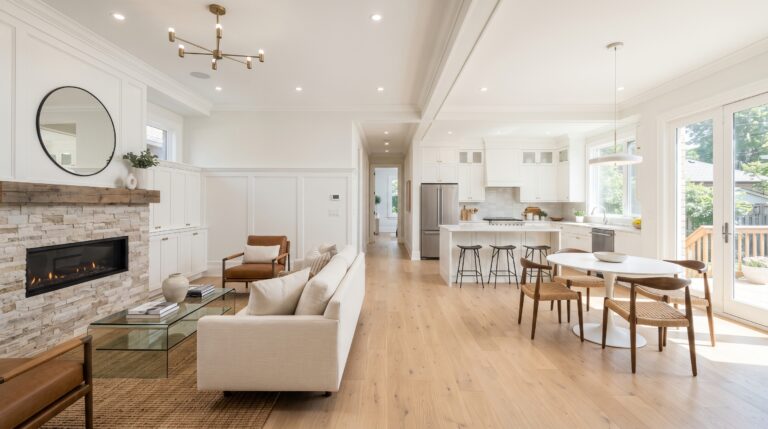
- Finished basement with custom cabinetry, open shelving, and a bright lounge area
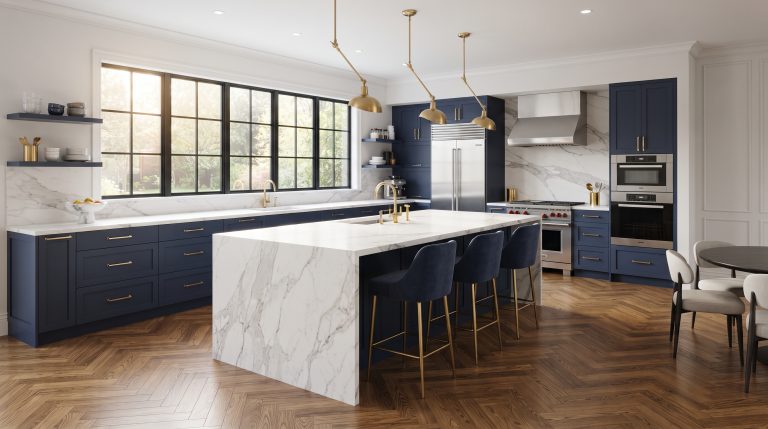
- Basement wet bar with closed cabinets, built-in shelving, and organized storage
- Basement home gym with wall storage, durable flooring, and recessed lighting
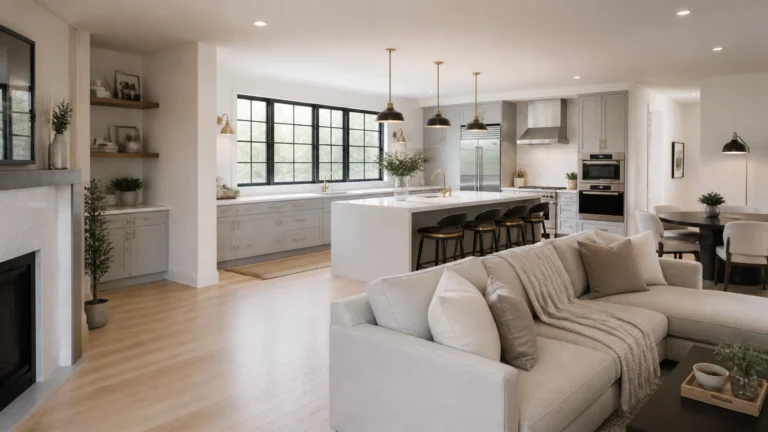
- Basement entertainment room with integrated cabinetry, display shelving, and comfortable seating