
Flooring Installers CT: How to Choose the Right Floors for Every Room in Your Home
Flooring influences how your home looks, performs, and holds its value. The right material can improve comfort, simplify maintenance, support safer movement, and create a cohesive design from room to room. For homeowners comparing flooring installers CT, the most important decision is not simply choosing the most attractive sample: it is matching the flooring system to the room, the moisture conditions, and the way your household uses the space.
Connecticut homes must also withstand New England’s seasonal changes. Humidity, temperature swings, wet footwear, basement moisture, pets, and high foot traffic can affect flooring performance when materials or installation methods are not properly selected. This guide explains the advantages of hardwood, laminate, tile, and luxury vinyl flooring, along with practical recommendations for kitchens, bathrooms, basements, bedrooms, and busy areas.
Begin with the Room: The Best Flooring Depends on How the Space Performs
Each room has different demands, so a whole-home flooring plan should begin with function. Kitchens need surfaces that tolerate spills and frequent cleaning, while bedrooms can prioritize warmth and comfort. Basements require particular attention to moisture and subfloor conditions before any finish material is selected.
A professional flooring assessment considers traffic levels, exposure to water, subfloor construction, transitions between rooms, maintenance expectations, and the desired return on investment. This room-by-room approach creates optimized layouts and prevents costly replacements caused by installing a material in an unsuitable environment.
Hardwood Flooring Delivers Timeless Style and Long-Term Value
Hardwood remains a strong choice for living rooms, dining areas, hallways, and bedrooms because it provides warmth, visual continuity, and timeless elegance. Solid and engineered hardwood are available in a wide range of species, plank widths, stains, and surface finishes, making it easier to coordinate the flooring with cabinetry, trim, stairways, and existing architectural details.
The primary financial advantage of hardwood is longevity. Quality hardwood can be maintained and, in many cases, refinished over time rather than fully replaced, which can support long-term value and resale appeal. It is not the first choice for damp basements or regularly wet rooms, however, because moisture can contribute to expansion, cupping, or finish damage.
Engineered hardwood offers a layered construction that is often more dimensionally stable than solid wood when indoor conditions fluctuate. A licensed installer can evaluate whether solid or engineered flooring is more appropriate for your subfloor, especially when installing over concrete or in areas affected by seasonal humidity.
Laminate Flooring Provides Durable Style at a Lower Initial Cost
Laminate flooring reproduces the appearance of hardwood or stone through a high-resolution design layer protected by a durable wear surface. This construction makes laminate scratch-resistant and easy to maintain, which can be valuable in family rooms, hallways, bedrooms, and other dry, high-traffic areas.
The material’s lower upfront cost can make it an efficient option for homeowners completing several rooms at once. Laminate creates a consistent appearance without the investment associated with some hardwood or tile installations, helping stretch a remodeling budget while still making the home more attractive.
Laminate is not automatically waterproof, and product specifications vary. Standing water, leaks, or repeated moisture exposure can damage seams and the underlying structure, so it is generally better suited to dry areas than bathrooms, laundry rooms, or moisture-prone basements. Proper acclimation, subfloor preparation, and expansion spacing are essential for a stable installation.
Tile Flooring Offers Reliable Moisture Protection and Low Maintenance
Ceramic and porcelain tile are practical choices for bathrooms, kitchens, mudrooms, entryways, and other spaces exposed to water or tracked-in debris. Tile resists moisture, scratches, and daily wear when installed over a suitable substrate, while its broad selection of colors, patterns, shapes, and textures supports both modern and traditional design.
In a bathroom, properly installed tile can create a continuous, easy-to-clean surface that supports peace of mind around splashes and humidity. Slip-resistant flooring can also improve safety, particularly in entryways, shower areas, and homes where children or older adults live. The specific surface texture should be selected carefully because glossy tile may be less suitable for areas that regularly become wet.
Tile’s long service life supports practical ROI in kitchens and bathrooms, where replacement is disruptive and moisture damage can be expensive. It may feel harder or cooler underfoot than wood or vinyl, but area rugs, radiant heating, and carefully selected layouts can improve everyday comfort without compromising durability.

Luxury Vinyl Flooring Combines Water Resistance, Comfort, and Design Flexibility
Luxury vinyl plank and luxury vinyl tile are increasingly popular for Connecticut renovations because they combine realistic wood or stone visuals with strong moisture performance. Many products are waterproof or highly water-resistant, making them suitable for kitchens, bathrooms, basements, mudrooms, and active households.
LVP and LVT are constructed in layers that can resist scratches, dents, and everyday wear. The surface is generally more comfortable underfoot than ceramic tile, while the printed design layer provides the appearance of natural materials with less maintenance. This makes luxury vinyl a practical whole-home option when seamless movement and consistent style are priorities.
Luxury vinyl can also provide strong practical ROI. Its lower material and installation cost compared with some hardwood or stone options, combined with water resistance and easy upkeep, can reduce the likelihood of premature replacement. A professional installer should still inspect the subfloor because unevenness, movement, or moisture beneath the flooring can affect the finished result.

Choose Kitchen Flooring for Spill Resistance and Seamless Movement
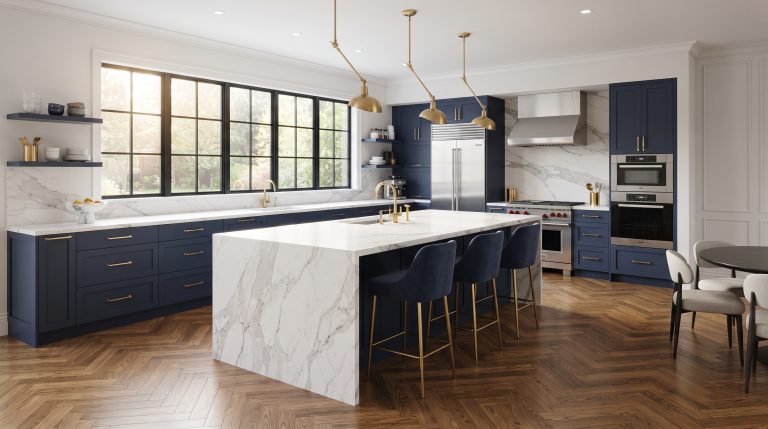
Kitchen flooring should tolerate food spills, frequent cleaning, dropped utensils, and continuous movement between the sink, range, refrigerator, and island. Porcelain tile and luxury vinyl are especially practical because they offer moisture resistance and straightforward maintenance. Their design flexibility also makes it easier to coordinate the floor with custom cabinetry, countertops, backsplashes, and adjoining living areas.
Hardwood can work well in kitchens when it is correctly sealed and maintained, particularly when the kitchen connects to an open-concept dining or living area. Matching hardwood across connected spaces can make the floor plan feel larger and improve visual continuity. Homeowners should understand that wood requires faster cleanup after spills and more attention to humidity than waterproof flooring.
Use Bathroom Flooring to Improve Safety and Moisture Control
Bathrooms require a flooring material that can handle splashes, humidity, cleaning products, and changes in temperature. Porcelain tile, ceramic tile, and luxury vinyl are strong choices because they can provide water-resistant surfaces without sacrificing design quality.
The installation details matter as much as the material. Proper underlayment, transitions, perimeter sealing, grout selection, and finished elevations help protect the subfloor and maintain a clean connection between the flooring and surrounding fixtures. Textured or matte surfaces can also improve traction and contribute to safer daily routines.
Plan Basement Flooring Around Moisture Before Appearance
Basement flooring decisions should begin with moisture evaluation rather than color or pattern. Concrete slabs, foundation walls, exterior drainage, humidity, and previous water issues can all affect flooring performance. Addressing those conditions first protects the investment and helps prevent odors, buckling, mold-related concerns, or finish failure.
Luxury vinyl is often a practical basement option because it offers water resistance, design flexibility, and comfort for living areas, home offices, gyms, and entertainment spaces. Tile can also perform well, particularly in utility areas or spaces where maximum moisture resistance is needed. Hardwood and standard laminate require greater caution and should not be installed over a damp or unprepared slab.

Select Bedroom Flooring for Warmth, Comfort, and Quiet
Bedrooms typically have lower moisture exposure, allowing homeowners to focus on comfort and visual character. Hardwood creates a refined, lasting foundation that can connect bedrooms to hallways and other main living areas. Laminate provides a cost-conscious alternative with a broad range of wood looks, while luxury vinyl offers softer underfoot performance and straightforward maintenance.
Flooring color also influences how a bedroom feels and functions. Lighter tones can reflect natural light and make a smaller room appear more open, while medium and warm wood tones can add definition without overwhelming the space. Choosing a durable finish reduces maintenance and helps preserve the room’s appearance through everyday use.
Use Durable Materials in High-Traffic Areas
Hallways, stairs, family rooms, and entryways experience concentrated wear from footwear, furniture movement, pets, and frequent cleaning. Luxury vinyl, tile, hardwood, and quality laminate can all be suitable, depending on moisture exposure and the desired design standard.
Entryways and mudrooms benefit from materials that tolerate salt, water, and outdoor debris. Tile and luxury vinyl are often practical choices in these locations, while hardwood and laminate may be better reserved for nearby dry areas. A coordinated transition plan prevents abrupt changes and supports seamless movement throughout the home.
Subfloor Preparation Protects the Flooring Investment
A finished floor can only perform as well as the surface beneath it. Before installation, a professional should inspect for uneven areas, damaged materials, movement, inadequate support, and moisture concerns. Leveling, repairs, moisture testing, and the correct underlayment help reduce noise, prevent premature wear, and create a more consistent finished appearance.
Connecticut homes vary considerably in age and construction. Older properties may require additional preparation before new flooring can be installed, while basement renovations often require specialized planning over concrete. Investing in preparation may increase the initial project cost, but it supports longevity and reduces the risk of paying for avoidable repairs later.
Why a Licensed, Insured Local Installer Matters
Working with licensed and insured flooring installers provides more than installation labor. A qualified local team can recommend materials based on Connecticut’s climate, identify subfloor concerns, coordinate transitions with other remodeling work, and complete the finishing details needed for a professional result.
Local experience also supports clearer communication throughout the project. From material selection and scheduling to trim installation and cleanup, a full-service installer helps keep the work organized and accountable. This is particularly valuable when flooring is part of a larger home remodeling CT project involving a kitchen, bathroom, basement, bedroom, or whole-home renovation.
For homeowners planning a broader home renovation in Connecticut, flooring should be selected early enough to coordinate cabinet heights, door clearances, stair details, baseboards, and transitions. Professional planning helps each feature work together functionally while protecting the long-term value of the renovation.
Create a Room-by-Room Flooring Plan with CT Home Remodeling
The right floor balances appearance, durability, moisture performance, comfort, maintenance, and budget. Hardwood is a strong long-term choice for dry living areas, laminate provides cost-efficient durability, tile offers dependable moisture protection, and luxury vinyl combines water resistance with comfort and design flexibility.
CT Home Remodeling LLC provides professional flooring installation backed by more than 17 years of experience. As a family-owned, licensed, and insured company, we provide honest guidance and full-service support for homeowners throughout Hartford, Tolland, Windham, Middlesex, New London, and New Haven Counties.
If you are considering new floors for one room or a complete home renovation, call 1-860-532-7156 or visit cthomeremodeling.com/flooring to discuss your project. A consultation can help you compare practical options and select flooring tailored to your lifestyle, your home’s conditions, and your long-term goals.