Exterior Paint Color Ideas for Connecticut Homes
Choosing exterior paint colors for a Connecticut home requires more than selecting a favorite color from a sample card. The best palette responds to the home’s architectural style, siding material, roof, windows, natural surroundings, and the changing light of all four seasons. A thoughtful color plan can improve curb appeal, make architectural details easier to read, and support the long-term value of an exterior renovation.
Start with the Architecture to Create a Cohesive Exterior
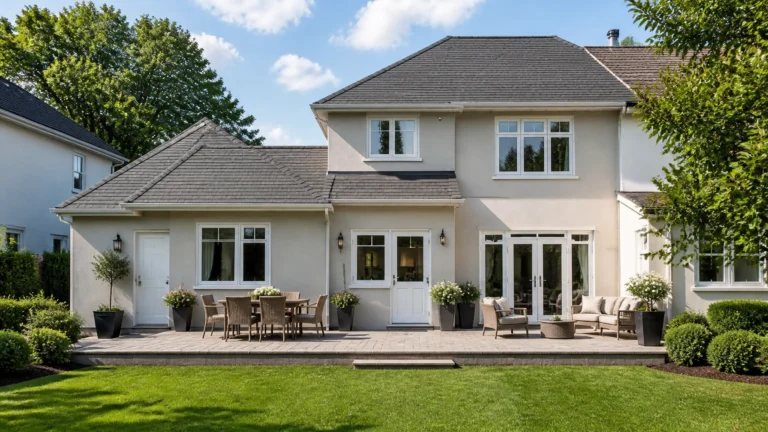
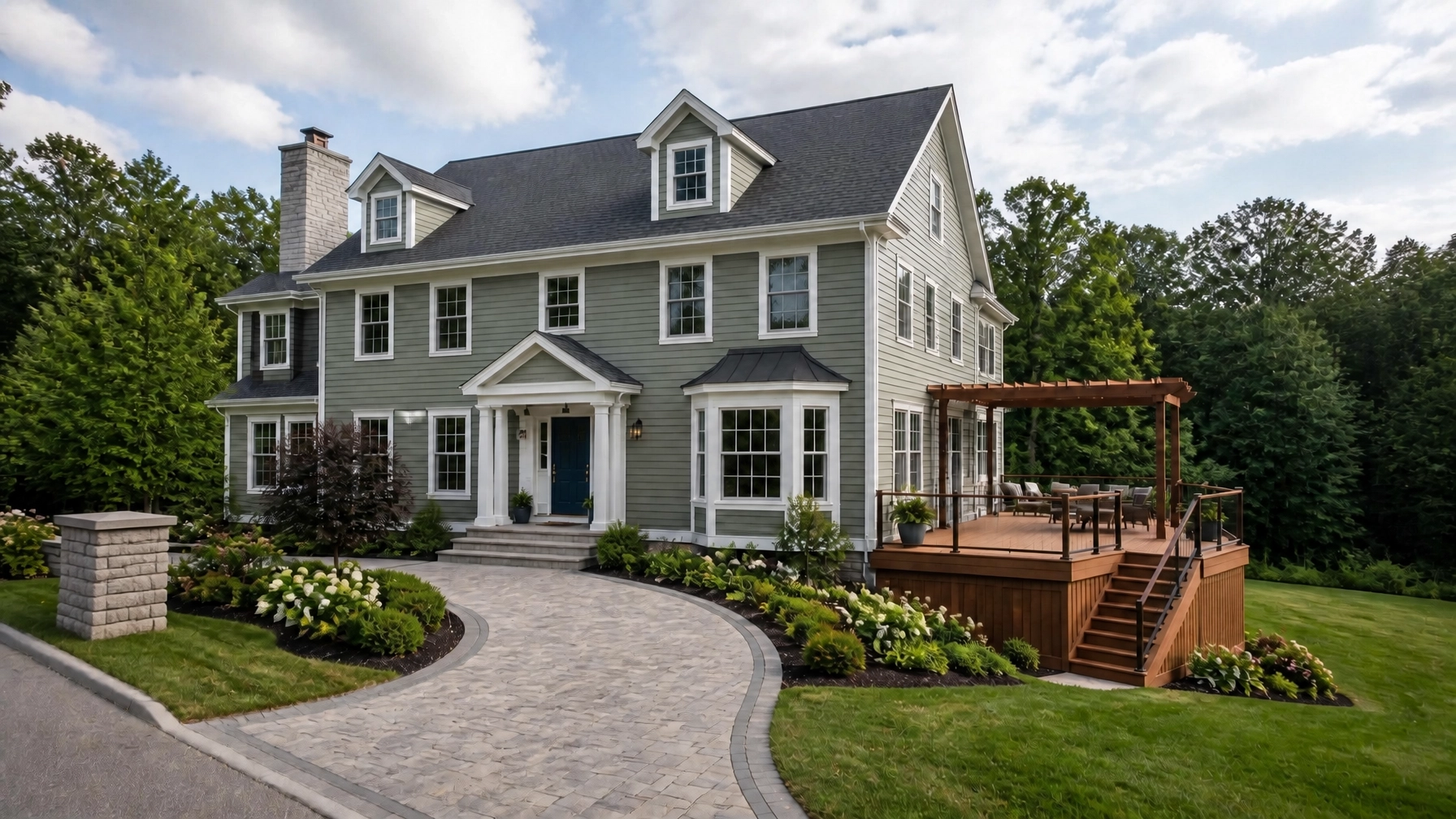
Your home’s architectural style should guide the direction of the color palette. Traditional Connecticut Colonials often work well with light siding, defined white or cream trim, and a darker door or shutter color. Cape Cod homes typically suit soft grays, sandy neutrals, pale blues, and crisp white details that reinforce their simple, coastal character.
Craftsman and bungalow homes can support earthier combinations such as olive, muted green, warm brown, or soft terracotta with cream trim. Contemporary homes often benefit from a restrained palette of charcoal, white, taupe, or black, with minimal contrast and carefully selected accents.
Use the color scheme to clarify the home’s proportions rather than compete with them. A consistent body color allows windows, porches, gables, and entry details to appear intentional, which creates a more polished exterior and helps protect the investment in the home’s design.
Choose Colors That Work with Connecticut Light and Weather
Connecticut’s natural light changes considerably between bright summer afternoons, cloudy winter days, and the warm tones of autumn. A color that looks beige in direct sun may appear gray under an overcast sky, while cool blues and greens can become more pronounced in shaded areas. Testing paint on the actual exterior is therefore more reliable than judging a small interior sample.
Paint large sample sections on more than one side of the house. Review them in the morning, midday, and late afternoon, and compare how they look in both sun and shade. This process helps reveal undertones before the final color is applied.
Climate should also influence the level of contrast and color intensity. Soft whites, pale grays, muted blues, sage greens, and warm taupes tend to age gracefully across Connecticut’s seasonal shifts. Deeper colors such as navy, charcoal, or forest green can create strong curb appeal, but they should be selected with consideration for the home’s sun exposure, siding material, and maintenance goals.
Match the Palette to the Siding Material
Siding material affects how color appears and how the exterior will perform over time. Wood siding absorbs light differently from vinyl or fiber cement, while textured shingles create more visual variation than smooth clapboards. The finish, profile, and shadow lines should be considered alongside the color itself.
Wood clapboard and shingles pair naturally with warm whites, muted greens, soft browns, and weathered grays. These colors reinforce the material’s texture and create a connection with Connecticut’s wooded landscapes. For shingle-style homes, a weathered gray or cedar-inspired color can provide depth without making the exterior feel overly busy.
Vinyl siding is available in a broad range of factory-applied colors, including classic white, slate, gray, navy, and soft beige. If you are considering painting existing vinyl siding, confirm that the coating is compatible with the material and appropriate for exterior use. A color that is too dark or too saturated may make fading more noticeable and can change the way the siding responds to sunlight.
Fiber cement siding supports both traditional and contemporary palettes. Its clean lines can accommodate a light Colonial scheme, a muted coastal color, or a darker modern combination. Engineered wood siding offers a warm appearance with a variety of finish options, making it useful for homeowners who want natural character with more manageable maintenance.
If the existing siding is worn, damaged, or difficult to repaint successfully, replacing it may provide a more consistent color result and improve exterior protection. Explore CT Home Remodeling LLC’s siding services to review material options, architectural accents, and exterior improvements for Connecticut homes.

Coordinate the Exterior Color with the Roof
The roof is one of the largest visual elements on a home, so its color should be evaluated before the siding palette is finalized. Dark gray and black roofs provide a neutral foundation for white, pale gray, sage, navy, and taupe siding. Brown or weathered roofs generally coordinate more naturally with cream, warm beige, olive, muted terracotta, and natural wood tones.
A roof with strong texture or multiple tones may call for simpler siding. Conversely, a straightforward roof profile can support more color variation in the body, gables, or entry details. The goal is visual balance: the siding, roof, and trim should appear to belong to the same design rather than looking like separate decisions.
If a roof replacement is part of a larger exterior plan, select the roofing material and siding color together. Coordinating both elements can improve the home’s overall appearance and reduce the risk of choosing a paint color that conflicts with the roof later. CT Home Remodeling LLC provides roofing services and homeowner guidance for exterior projects throughout Central and Eastern Connecticut.
Use Trim to Define Windows, Corners, and Architectural Details
Trim creates visual structure around windows, doors, rooflines, fascia, soffits, corner boards, and porch elements. Crisp white trim remains a dependable choice for Colonial, Cape Cod, and coastal-inspired homes because it creates clean separation from the siding. Cream or warm beige trim can be more suitable for homes with natural wood, brown roofing, stone, or a muted earth-tone palette.
Dark trim can give a lighter home a more contemporary appearance. Charcoal, deep gray, or navy trim works particularly well when the roof, windows, or exterior lighting already includes dark finishes. Use darker trim selectively if the home has many architectural details, since too much contrast can make the exterior appear visually fragmented.
Windows should be treated as part of the color plan. White windows can blend into light trim for a clean appearance, while black, bronze, or dark-framed windows can become intentional focal points against lighter siding. Repeating the window color in shutters, railings, lighting, or the front door creates continuity.
Make the Front Door an Intentional Accent
The front door is an effective place to introduce personality without overwhelming the exterior. Deep navy, forest green, burgundy, black, muted teal, and traditional red can all work well against neutral siding. A more restrained home may benefit from a door that matches the trim, while a larger or more detailed exterior may need a stronger accent to make the entry visible from the street.
Limit the accent color to a few related elements. Repeating the door color on shutters or carefully selected porch details can create balance, but applying several unrelated accent colors may reduce the sense of cohesion. Hardware, light fixtures, and house numbers should also support the chosen palette.
Consider the Neighborhood and Natural Setting
A successful exterior color should suit the individual home while remaining comfortable within its surroundings. Look at the colors of nearby houses, mature trees, stone walls, driveways, and landscape beds. This does not mean copying neighboring homes; it means understanding the visual context before selecting a highly contrasting combination.
In wooded areas, muted greens, warm grays, taupes, and natural browns can help the home feel connected to the landscape. Coastal settings may support soft blues, white, gray-green, and sandy neutrals. In established neighborhoods with traditional architecture, classic palettes often provide stronger long-term curb appeal than highly saturated trend colors.
If your neighborhood has design guidelines or a historic character, review those considerations before finalizing your palette. Planning for the surrounding streetscape can help protect the home’s visual compatibility and make the improvement more attractive to future buyers.
Coordinate Siding Colors with Decks and Outdoor Living Areas
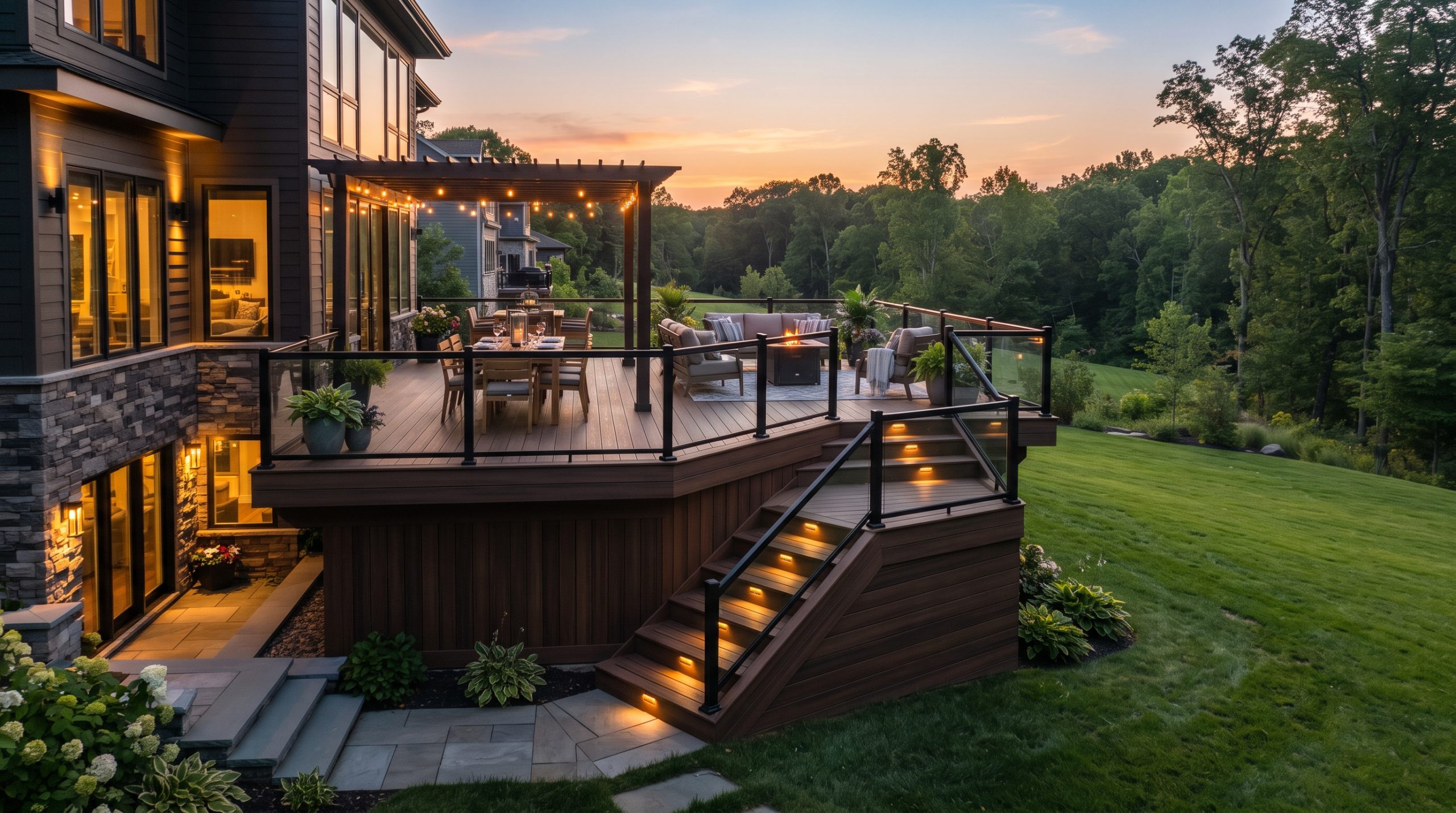
Decks, patios, railings, and exterior stairs should be considered part of the same color composition. A warm brown or cedar-toned deck generally complements cream, beige, sage, and soft white siding. Gray or taupe decking can coordinate with blue-gray, charcoal, and cool neutral exteriors.
Composite decking may include subtle undertones that become more visible next to a large siding surface. Bring decking samples, railing finishes, and paint samples together in natural light before making a final selection. This helps prevent a warm deck from clashing with blue-based siding or a cool railing from looking disconnected from warm trim.
A coordinated deck color improves the transition between the home and yard. It also makes the outdoor area feel like an extension of the interior rather than an unrelated structure. Review custom deck design and construction services when an exterior color update is part of a broader outdoor living plan.
Follow a Simple Three-Part Color Plan
A practical exterior palette usually includes three roles:
- Body color: The primary siding color that covers the largest surface area.
- Trim color: The supporting color for windows, fascia, soffits, corner boards, and porch details.
- Accent color: A deeper or more distinctive color for the front door, shutters, or selected architectural features.
Begin with the body color, then compare trim options against the roof and windows. Choose the accent last so it enhances the entry without competing with the larger surfaces. Keeping the palette to two or three coordinated colors generally creates a more timeless appearance and makes future maintenance more straightforward.
Final Exterior Paint Selection Checklist
Before committing to a color, confirm that:
- The body color works with the roof in both sun and shade.
- The trim defines the windows and architectural details clearly.
- The door accent is visible but not overwhelming.
- The siding material can accept the selected finish or color.
- The deck, patio, railings, and exterior lighting support the palette.
- The colors suit the neighborhood and surrounding landscape.
- Large test areas have been reviewed at different times of day.
- The palette will remain appealing beyond the current design trend.
A well-coordinated exterior can improve curb appeal, support easier maintenance decisions, and protect the long-term value of the home. The strongest choices combine timeless elegance with materials and finishes suited to Connecticut’s changing seasons.
Frequently Asked Questions About Connecticut Exterior Paint Colors
What are the most versatile exterior colors for Connecticut homes?
Soft white, warm cream, light gray, taupe, sage green, muted blue, and charcoal are versatile choices for many Connecticut architectural styles. The best option depends on the roof, siding material, natural light, and surrounding landscape.
Should the trim be lighter or darker than the siding?
Lighter trim is a traditional choice that highlights windows and rooflines. Darker trim can create a modern appearance, especially with light siding and dark-framed windows. The right choice depends on the home’s architectural details and the level of contrast desired.
How many exterior colors should a Connecticut home have?
Most homes work well with a body color, a trim color, and one accent color. Limiting the palette helps create visual continuity and prevents the exterior from appearing cluttered.
Can I paint vinyl siding a dark color?
Some vinyl siding can be painted, but the coating and color should be selected for compatibility with the siding material. Review the manufacturer’s guidance and consider how direct sun exposure may affect fading and long-term appearance.
How should I coordinate paint with a new deck?
Compare siding, trim, railing, and decking samples together in natural light. Gray and taupe decks commonly work with cool siding colors, while brown and cedar tones generally complement warm neutrals and muted greens.
Who can help plan an exterior color and siding update in Andover?
CT Home Remodeling LLC is based in Andover, Connecticut, and serves homeowners throughout Central and Eastern Connecticut. Visit the Andover and Connecticut service area page to learn more about the communities served.
Plan a More Cohesive Connecticut Exterior
CT Home Remodeling LLC helps homeowners coordinate siding, roofing, decks, and other exterior improvements with practical material guidance and clear communication. Backed by 17 years of remodeling and construction experience, the company is based in Andover, Connecticut, and serves Central and Eastern Connecticut.
To discuss an exterior color update, siding project, roofing improvement, or deck renovation tailored to your home, contact CT Home Remodeling LLC for a consultation.