How to Make a Small Deck Feel Bigger in Connecticut
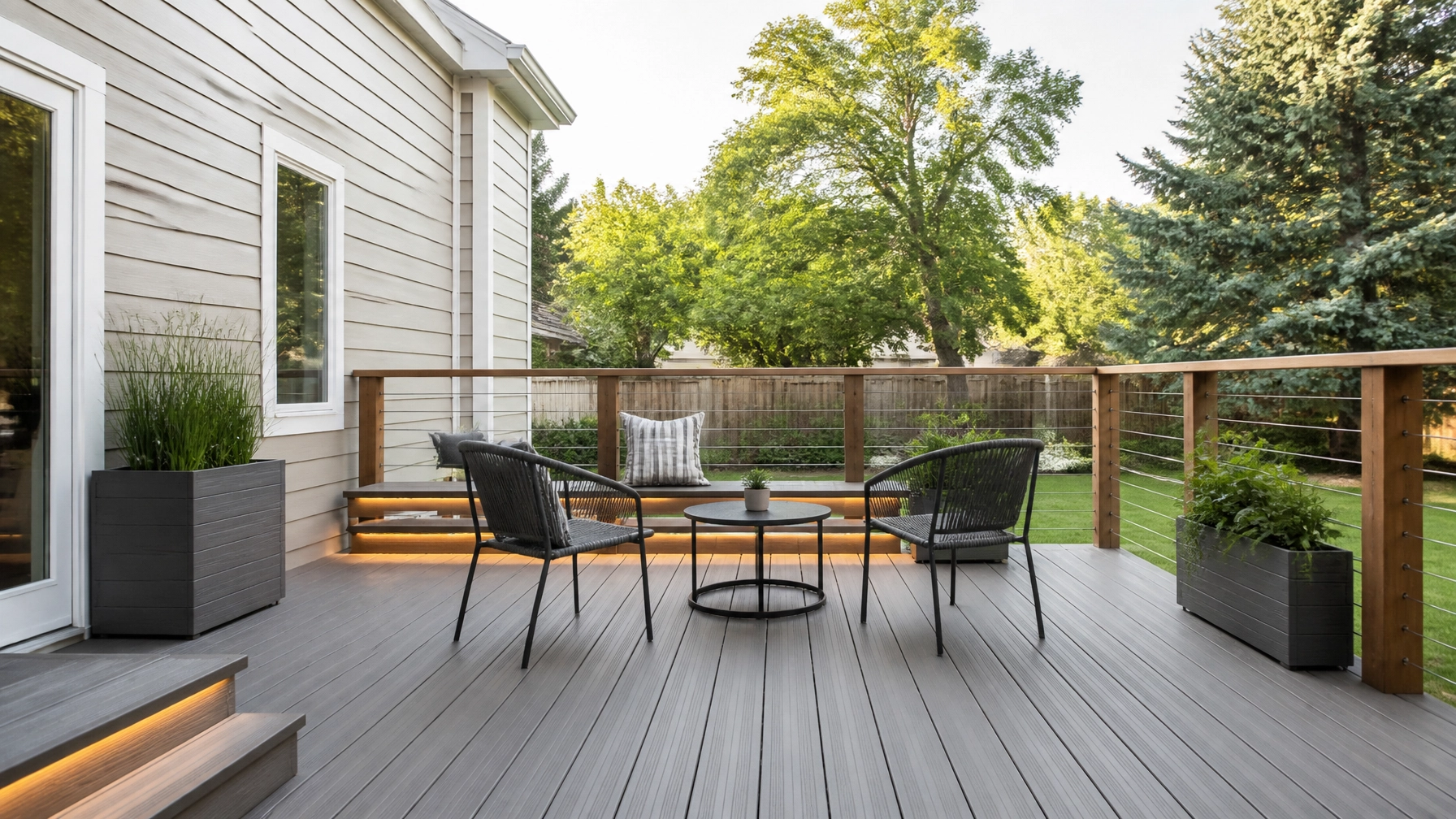
A concept image illustrating space-saving deck design principles; it is not a depiction of a completed CT Home Remodeling LLC project.
A small deck can feel surprisingly open when its layout, materials, and furnishings work together. The goal is not to fill every available area, but to create seamless movement, preserve important sightlines, and make each feature serve more than one purpose.
For Connecticut homeowners, an optimized deck should also support year-round durability, comfortable outdoor living, and long-term value. The following design ideas explain how to make a small deck feel bigger while improving safety, function, and return on investment.
Start with a Focused Layout to Improve Movement
A compact deck feels larger when it has a clear purpose and an unobstructed path from the home to the yard or stairs. Begin by deciding whether the primary function will be dining, lounging, gardening, or a combination of two closely related activities.
Place the main furniture zone toward one side or along the far edge instead of directly in the center. This arrangement keeps the middle open and creates a defined walking lane, making the deck easier to use for everyday routines and gatherings.
Measure the door swing, stair location, grill area, and preferred furniture before finalizing the design. A layout that protects circulation can make a small deck more comfortable without increasing its physical footprint, supporting both lifestyle value and future usability.
Learn more about custom deck design and construction.

A concept image showing how a clear circulation lane and open sightline can make a compact deck feel more spacious.
Choose Open Railings to Preserve Sightlines
Solid or visually heavy railings can make a small deck feel enclosed. Cable railings, glass panels, and other open-infill designs allow the eye to continue toward the yard, trees, or surrounding landscape.
The result is a stronger connection between the deck and the rest of the property. This visual continuity can make the outdoor area feel like an extension of the home rather than a separate, confined platform.
Railings should also complement the architecture and exterior finishes of the house. A well-coordinated railing design supports curb appeal, maintains a clean appearance, and contributes to the long-term value of the improvement.
When selecting a railing style, consider how it will look from inside the home as well as from the yard. A preserved view from nearby windows can help the entire living area feel brighter and more open.
Use Built-In Seating to Recover Floor Space
Freestanding sofas and multiple chairs can quickly consume the usable area of a small deck. Built-in benches placed along the perimeter provide seating while keeping the center available for movement.
A bench can also include concealed storage for cushions, gardening tools, or seasonal accessories. Combining seating and storage reduces visual clutter and limits the need for additional furniture, improving efficiency and day-to-day convenience.
For flexible use, pair a built-in bench with a small table or lightweight chairs that can be moved when needed. This arrangement allows the deck to transition from a morning coffee area to a dining or entertaining space without a complete redesign.
Built-in features require thoughtful planning because they become part of the deck’s permanent layout. Their proportions, materials, and placement should be selected to support comfort, drainage, durability, and a cohesive appearance.

Design reference showing how integrated seating, planters, and lighting can add function without crowding the deck floor.
Layer Lighting to Expand Evening Use
Lighting can make a small deck feel more inviting after sunset while improving visibility along steps and walking areas. The most effective approach is usually a combination of low-level, overhead, and perimeter lighting rather than one bright fixture.
Integrated step lights, riser lights, and under-bench LEDs add illumination without taking up valuable floor space. Wall-mounted fixtures or lights attached to posts can brighten the seating area while keeping surfaces clear.
Warm string lights or subtle overhead lighting can define the deck as an outdoor room. When the lighting is directed toward the perimeter instead of concentrated in the center, it can visually expand the boundaries of the space.
Connecticut decks benefit from fixtures and finishes selected for seasonal exposure and regular outdoor use. Durable lighting supports safer movement, extends the number of evenings the deck can be enjoyed, and strengthens the practical return on the renovation.
Coordinate Colors and Materials for Visual Continuity
A small deck can look busy when too many colors, patterns, or material finishes compete for attention. A restrained palette of one primary decking tone, one railing finish, and one or two accent colors creates a calmer and more expansive appearance.
Coordinate the deck with the home’s siding, trim, doors, and nearby landscape. Cool grays, crisp whites, and natural wood tones can provide timeless elegance while allowing plants and outdoor furnishings to add controlled color.
Continuing a color from the interior through the doorway and onto the deck can strengthen the connection between indoor and outdoor spaces. Matching or complementary flooring tones, cushions, and planters help the eye move naturally through the area.
Material selection also affects maintenance and longevity. Composite decking may reduce routine upkeep, while wood can provide natural warmth when properly selected and maintained. The best choice depends on the home’s architecture, exposure, lifestyle, and long-term maintenance preferences.
Place Planters Along the Edges Instead of the Center
Plants can make a small deck feel connected to the yard, but large containers placed in the middle may restrict movement. Position planters in corners, along the railing, or beside the stairs to frame the deck without interrupting its primary use.
Vertical planting is especially useful when floor space is limited. Hanging baskets, railing planters, wall-mounted shelves, and narrow raised planters add greenery and texture while preserving the walking lane.
Use planters to define a zone or direct attention toward a view rather than blocking it. Evergreen plants, ornamental grasses, and carefully selected seasonal color can provide structure through Connecticut’s changing seasons.
Planter materials should coordinate with the deck and withstand outdoor exposure. Consistent containers create a finished appearance, while built-in planters can integrate greenery directly into the design and reduce the need for loose accessories.
Extend the Visual Space Beyond the Deck
The deck will feel larger when its design encourages the eye to continue into the yard. Keep the best sightline free from tall furniture, opaque screens, and oversized decorations.
A simple pergola, overhead beam, or open shade structure can define the deck without creating a heavy visual barrier. These elements add vertical interest and can support lighting, while maintaining a sense of openness.
Use an outdoor rug to establish a seating zone without adding walls or partitions. A rug can visually organize the space, but its size and material should be appropriate for outdoor exposure and easy maintenance.
Where privacy is necessary, consider lightweight screens, slatted panels, or carefully placed plantings instead of closing in every side. Layered privacy can make the deck more comfortable while preserving daylight and ventilation.

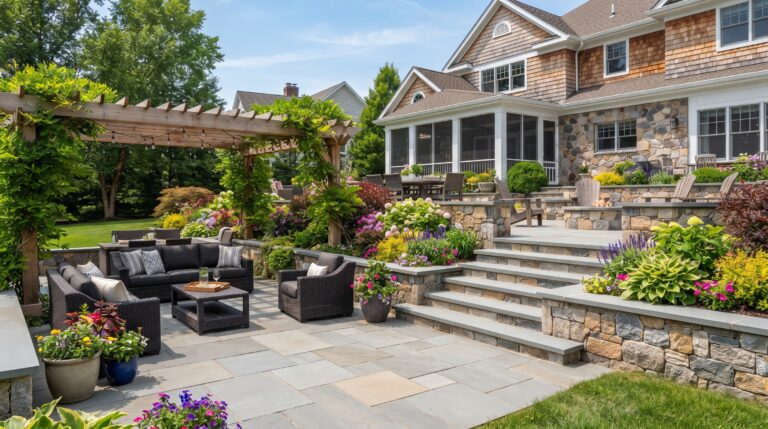
Design reference illustrating how lighting, open edges, and connected outdoor zones can extend a deck’s perceived boundaries.
Select Connecticut-Friendly Features for Long-Term Value
Connecticut decks experience hot summers, moisture, freezing temperatures, and changing daylight throughout the year. Materials and details should be selected with seasonal movement, drainage, cleaning, and routine maintenance in mind.
A small deck does not need complex detailing to feel tailored to your lifestyle. Straightforward geometry, durable finishes, built-in functions, and well-planned lighting can deliver more practical value than a crowded collection of decorative features.
Think about how the deck will be used in spring, summer, fall, and winter. Furniture that can be moved or stored, planters that do not obstruct drainage, and finishes that remain attractive through seasonal changes all contribute to a more lasting improvement.
A well-designed deck can make the home more attractive, improve everyday outdoor access, and create a useful extension of the living area. These benefits support the deck’s return on investment without relying on unnecessary additions or short-lived trends.
Frequently Asked Questions
What is the most effective way to make a small deck feel bigger?
Start with a clear layout and a defined walking path. Place furniture along one edge, keep the center open, and preserve the strongest view toward the yard. Open railings and a coordinated color palette can further increase the sense of space.
Are built-in benches practical for a small deck?
Yes. A built-in bench can provide seating along the perimeter while leaving more floor area available for circulation. If designed with storage, it can also reduce the need for separate furniture and help maintain a cleaner appearance.
Which railing styles make a small deck look more open?
Cable and glass railings generally preserve more of the surrounding view than solid or visually dense options. The railing should still coordinate with the home’s exterior and be selected for durability and comfortable everyday use.
How can I add lighting without making the deck feel crowded?
Use integrated or wall-mounted lighting wherever possible. Step lights, riser lights, under-bench fixtures, and lights attached to posts provide illumination without occupying floor space. Layering several subtle sources usually creates a more comfortable result than one oversized fixture.
Should planters go on a small deck?
Yes, when they are placed strategically. Perimeter, corner, railing, hanging, and vertical planters add greenery without interrupting movement. Select containers and plants that complement the deck materials and remain manageable through Connecticut’s seasons.
Can a small deck be connected visually to a patio or yard?
Yes. Use consistent colors, aligned sightlines, open railings, and similar materials to create visual flow. A simple transition between the deck and surrounding landscape can make the entire outdoor area feel more unified.
Plan a Small Deck That Works Harder for Your Home
Making a small deck feel bigger is primarily a matter of planning: protect circulation, use the perimeter efficiently, preserve sightlines, and select materials that support durability and low-maintenance enjoyment. CT Home Remodeling LLC is based in Andover, Connecticut, and serves homeowners throughout Central and Eastern Connecticut.
Backed by 17 years of remodeling and construction experience, our team can help you evaluate deck layouts, seating, lighting, materials, and connected outdoor features tailored to your lifestyle. Review our home remodeling services, explore deck design and construction options, or visit our Connecticut service area page. When you are ready to discuss a long-lasting improvement, contact CT Home Remodeling LLC to begin the conversation.