
How to Choose Decking Material for a Connecticut Home
Choosing the best decking material starts with one practical question: how do you want your deck to perform over time? Connecticut homeowners must consider changing seasons, moisture, snow, humidity, sunlight, maintenance, appearance, and how the deck will support everyday outdoor living.
Wood, composite, and PVC decking can all create an attractive extension of your home. The right choice depends on the balance you want between natural character, long-term durability, maintenance demands, and return on investment.
Start With Climate Performance for More Reliable Year-Round Use
Connecticut decks experience wet springs, humid summers, heavy rain, snow, and repeated freeze–thaw cycles. These conditions can affect how decking boards expand, contract, fade, crack, or retain moisture. A material that performs well in one climate may require a different maintenance plan in New England.
Deck design also affects climate performance. Proper spacing between boards, effective drainage, and good airflow beneath the deck help moisture move away from the surface. These details support longer service life and provide greater peace of mind when the deck is used throughout the seasons.
Wood Delivers Natural Character and Flexible Finishing Options
Wood remains a popular choice because it provides authentic texture, warmth, and visual variation. Pressure-treated lumber offers practical exterior performance, while cedar and hardwoods provide different grain patterns, colors, and tactile qualities. Wood can also be stained in a wide range of tones, making it easier to coordinate the deck with siding, trim, landscaping, or outdoor furniture.
The tradeoff is maintenance. Wood decking typically needs regular cleaning and periodic sealing or staining to help manage moisture absorption, surface wear, and color changes. Without consistent care, boards may develop checking, discoloration, mildew, or deterioration sooner than expected.
Wood can be a strong fit for homeowners who value natural materials and are prepared to maintain them. Its appearance can support timeless elegance, while a thoughtful stain color can make the home more attractive and improve the connection between indoor and outdoor spaces.

Composite Reduces Maintenance While Preserving a Wood-Like Appearance
Composite decking combines wood fibers and polymers to create boards designed for lower maintenance than traditional lumber. Many products include a protective polymer cap that helps resist moisture, fading, staining, rot, and insect damage. This makes composite a practical option for homeowners who want attractive outdoor flooring without recurring staining or sealing.
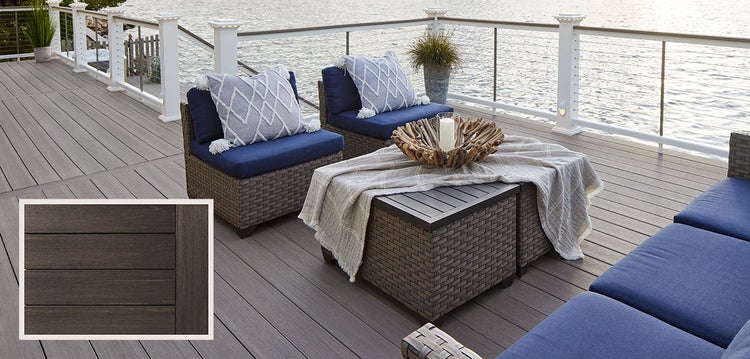
Composite decking is available in neutral grays, warm browns, and multi-tone wood patterns. Textured surfaces can create a more realistic appearance and may improve traction compared with smooth plastic-like surfaces. Product performance varies, so it is important to review the manufacturer’s information for color retention, cleaning recommendations, slip resistance, and warranty coverage.
For many Connecticut homes, capped composite provides a balanced return on investment. It offers a wood-inspired appearance, simplified care, and durable performance through seasonal weather changes. Occasional washing and debris removal can help preserve the surface and keep the deck ready for family use.
PVC Provides Strong Moisture Resistance and Minimal Upkeep
PVC decking is made primarily from polyvinyl chloride rather than wood fibers. Because it does not contain organic wood material, it is highly resistant to rot, moisture absorption, and insect damage. These characteristics make PVC useful for damp locations, poolside areas, shaded yards, and properties exposed to frequent moisture.
Modern PVC decking can imitate wood grain with improved color variation and surface detail. However, the appearance can differ significantly between product lines, and lower-quality materials may look more synthetic. Some products may also retain more heat in full sun, so color, surface texture, and the deck’s orientation should be considered during planning.
PVC can be a good choice when long-term moisture resistance and minimal maintenance are the highest priorities. Its low-maintenance surface supports easier outdoor living, while its resistance to rot can help protect the value and usability of the deck over time.
Compare Maintenance Requirements Before Making a Long-Term Decision
Maintenance affects more than the deck’s appearance. It also influences how much time homeowners spend cleaning, refinishing, replacing boards, and preparing the surface for another season. Evaluating the maintenance plan in advance can help you choose a material that fits your lifestyle.
Wood generally requires the most ongoing attention. Cleaning, inspecting the surface, and renewing the protective finish can help reduce moisture-related wear. Composite and PVC usually need periodic washing and prompt removal of leaves, dirt, and organic debris, but they do not typically require routine staining or sealing.
A low-maintenance material may provide a better long-term value for busy households. A wood deck may still provide an excellent return on investment when its natural appearance is a central design priority and the homeowner is willing to follow a consistent care routine.
Evaluate Durability as a Complete Decking System
Deck boards are only one part of a durable outdoor living space. The framing, fasteners, railings, stairs, drainage, and connection to the home all contribute to how the finished deck performs. Choosing a premium surface material will not compensate for poor planning or inadequate water management.
Wood, composite, and PVC also have different installation requirements. Composite boards may require closer attention to support spacing and manufacturer-specific fastening systems, while PVC may be lighter and easier to handle but still needs careful layout and support. Matching the installation approach to the selected material helps reduce movement, surface problems, and premature wear.
A professional deck builder can help coordinate the material with the deck’s shape, elevation, traffic patterns, and intended use. Review CT Home Remodeling LLC’s custom deck design and construction services to learn more about planning an outdoor space tailored to your lifestyle.

Match Appearance and Comfort to the Home’s Architecture
A deck should look like an intentional extension of the house rather than an isolated platform. Board color, grain direction, railing design, stair placement, and lighting can all influence how seamless the transition feels. Neutral grays and warm wood tones often coordinate well with Connecticut homes, but the best selection depends on the siding, trim, roof, and surrounding landscape.
Darker decking can create a sophisticated appearance but may feel warmer in direct sunlight and show dust more easily. Lighter colors can reflect more light and create an airy look, while varied grain patterns can make manufactured boards appear more natural. Samples should be viewed outdoors because daylight, surrounding plants, and the home’s exterior colors can change how a material appears.
Comfort also matters. Textured boards, well-planned lighting, and optimized movement between doors, stairs, seating, and the yard can make the deck safer and more useful. These features connect physical design choices to everyday benefits such as easier entertaining, better accessibility, and greater peace of mind.
Use This Decision Guide to Narrow Your Options
Choose wood if natural character, authentic texture, and flexible staining are your main priorities. Be prepared to clean and refinish the surface regularly, especially after exposure to Connecticut’s moisture and seasonal weather.
Choose composite if you want a wood-like appearance with less maintenance and dependable resistance to common outdoor wear. Capped composite is often a practical middle ground for homeowners seeking a balance of design flexibility, durability, and long-term value.
Choose PVC if moisture resistance and minimal upkeep are more important than a traditional wood composition. PVC can be especially appropriate for wet or exposed locations, although you should compare surface texture, heat retention, appearance, and product specifications before selecting a particular line.
For broader material comparisons, homeowners can review this PVC and composite decking guide and the independent Consumer Reports decking buying guide.
Frequently Asked Questions About Decking Materials
What is the best decking material for Connecticut weather?
There is no single best material for every property. Capped composite and PVC generally offer strong resistance to moisture and seasonal weather with less maintenance than wood, while properly maintained wood can provide lasting performance and natural appeal.
Is composite decking better than wood?
Composite decking may be better for homeowners who want less maintenance and more consistent color. Wood may be a better fit for those who prefer authentic grain, natural aging, and the ability to change the appearance with stain.
Does PVC decking look like real wood?
Many modern PVC products include detailed grain patterns and multiple color variations that create a more realistic appearance than older plastic decking. Samples are useful because the visual quality and texture vary between manufacturers and product collections.
How do I maintain a composite or PVC deck?
Follow the product manufacturer’s cleaning guidance, wash the surface periodically, and remove leaves or debris from between the boards. Avoid assuming that every cleaner, pressure setting, or tool is appropriate for every decking product.
What should I consider besides the decking boards?
Consider drainage, ventilation, framing, fasteners, railings, stairs, lighting, furniture placement, and how people will move between the home and yard. A coordinated design improves durability, comfort, and the deck’s contribution to the overall property.
Plan a Deck That Supports Long-Term Value
The best decking material is the one that aligns with your maintenance preferences, climate exposure, design goals, and plans for using the space. CT Home Remodeling LLC is based in Andover, Connecticut, and serves homeowners throughout Central and Eastern Connecticut with exterior remodeling and home remodeling services.
Backed by 17 years of remodeling and construction experience, our team focuses on clear communication, durable materials, and carefully planned improvements. When you are ready to compare decking options or discuss a broader outdoor renovation, you can contact CT Home Remodeling LLC for a practical conversation about your home.