Siding Materials Comparison: Choosing the Right Option for Connecticut Weather
SEO title: Siding Materials Comparison for Connecticut Weather | CT Home Remodeling LLC
Meta description: Compare vinyl, fiber cement, wood, engineered wood, and metal siding for Connecticut weather. Learn how durability, maintenance, moisture resistance, and curb appeal affect your choice.
URL slug: siding-materials-comparison-connecticut-weather
Connecticut homeowners often ask: How do I choose the right siding material for my home? The answer depends on how each material performs against New England’s freeze-thaw cycles, snow, rain, humidity, wind, and summer sun. Your decision should balance weather protection, maintenance requirements, architectural character, and long-term return on investment.
CT Home Remodeling LLC is based in Andover, Connecticut, and serves homeowners throughout Central and Eastern Connecticut. Our siding services include material selection, siding replacement, repairs, and exterior upgrades tailored to the home’s design and exposure.
Connecticut Weather Makes Moisture Resistance Essential
Connecticut siding must manage repeated changes in temperature and moisture. Snow and ice can remain against lower walls during winter, while summer humidity and heavy rain can challenge joints, edges, and trim. Materials that resist rot, warping, cracking, and pest damage generally provide more dependable protection over time.
Installation details also influence performance. Properly integrated flashing, trim, drainage, and weather-resistant layers help direct water away from the wall assembly. Siding should work as part of a coordinated exterior system alongside windows, roofing, gutters, and other components.

A Side-by-Side Comparison Clarifies the Best Fit
The following comparison summarizes how the five common siding materials perform for Connecticut homeowners. Product quality, exposure, color, profile, and installation methods can affect the final result, so these categories should guide a project discussion rather than replace a property-specific evaluation.
| Siding material | Durability | Maintenance | Moisture resistance | Curb appeal |
|---|---|---|---|---|
| Vinyl | Good for many residential applications; can be vulnerable to severe impact or extreme cold | Low; periodic cleaning and visual checks | Does not rot, but wall drainage and detailing remain important | Versatile colors and profiles with a clean, practical appearance |
| Fiber cement | Excellent strength and weather performance when properly installed | Low to moderate; may require repainting and joint maintenance over time | Very good resistance to rot, pests, and seasonal moisture | Closely replicates painted wood with a substantial, timeless appearance |
| Natural wood | Dependent on regular protection and site conditions | High; painting, staining, and frequent monitoring are important | More vulnerable to water absorption, rot, and warping | Authentic New England character and strong architectural appeal |
| Engineered wood | Good durability with enhanced protection compared with traditional wood | Moderate; periodic painting or sealing is typically needed | Better than natural wood, but edges and joints require attention | Warm wood-grain appearance with a broad range of styles |
| Metal | Very durable and resistant to many weather-related concerns | Low; cleaning and monitoring for scratches or corrosion | Very good when the finish and connections are properly selected | Modern, streamlined, or industrial appearance |
Vinyl Siding Delivers Low-Maintenance Convenience
Vinyl siding uses a durable manufactured surface that does not absorb water or support wood rot. This makes it a practical choice for homeowners who want an exterior that can be cleaned periodically without routine painting or staining. Its range of colors, textures, and profiles also supports traditional and contemporary home designs.
Cold temperatures and impact exposure should be considered before choosing vinyl. Panels can become more vulnerable to cracking during severe cold or damage from strong impacts, so the home’s location and surrounding landscape matter. When low maintenance, design flexibility, and straightforward upkeep are the priorities, quality vinyl can provide a sensible long-term exterior solution.
Fiber Cement Provides the Strongest All-Around Balance
Fiber cement siding combines cement-based material with reinforcing fibers to create a dense, stable exterior surface. It resists common concerns such as rot, insect damage, warping, and moisture-related deterioration, making it well suited to Connecticut’s changing seasons. Its strength also supports a finished appearance that remains substantial across large wall areas and architectural transitions.
Fiber cement requires more installation planning than lightweight siding, and homeowners should expect periodic attention to joints, caulk, and painted finishes. In return, it provides a strong balance of durability, moisture resistance, fire resistance, and curb appeal. For homeowners planning to remain in their property and prioritizing long-term performance, fiber cement often offers the most complete return on investment.
Natural Wood Preserves Traditional New England Character
Natural wood siding remains a strong choice for homeowners who value authentic cedar shingles, clapboards, or other traditional profiles. Its natural grain and ability to accept paint or stain provide design flexibility that complements historic, coastal, and classic New England architecture. Individual boards can also be repaired or refinished in sections when localized damage occurs.
Moisture management is the primary concern. Unprotected wood can absorb water, develop rot, warp, or deteriorate at joints and exposed edges, particularly on shaded elevations or areas near landscaping. Wood siding is best suited to homeowners who are prepared for regular inspections, refinishing, and prompt maintenance because the material’s curb appeal depends on consistent care.
Engineered Wood Adds Warmth with Improved Protection
Engineered wood siding is manufactured to recreate the appearance of natural wood while improving consistency and resistance to common exterior stresses. It offers visible grain, multiple profiles, and a warmer appearance than many vinyl products. The material can be an effective middle ground for homeowners who want architectural character without accepting the full maintenance demands of traditional wood.
Engineered wood still requires attention to exposed edges, joints, paint, and drainage details. Its performance depends on keeping water from entering vulnerable areas and maintaining the protective finish. This option can support a strong return on investment when the homeowner values curb appeal and material warmth while accepting moderate upkeep.

Metal Siding Supports Modern Design and Long-Term Durability
Metal siding, including steel and aluminum profiles, provides a rigid exterior surface with strong resistance to many weather conditions. It does not rot, and quality finishes can perform well in rain, snow, humidity, and high-exposure locations. Metal also offers a clean, contemporary appearance that can make a home more attractive when paired with modern windows, trim, roofing, or architectural accents.
The finish and installation details deserve careful consideration. Scratches or cut edges may require attention, and metal expands and contracts with temperature changes, making correct fastening and joint planning important. Metal is a particularly useful option for homeowners who want low maintenance, a distinctive exterior profile, and durable performance that supports long-term property value.
Your Home’s Architecture Should Guide the Material
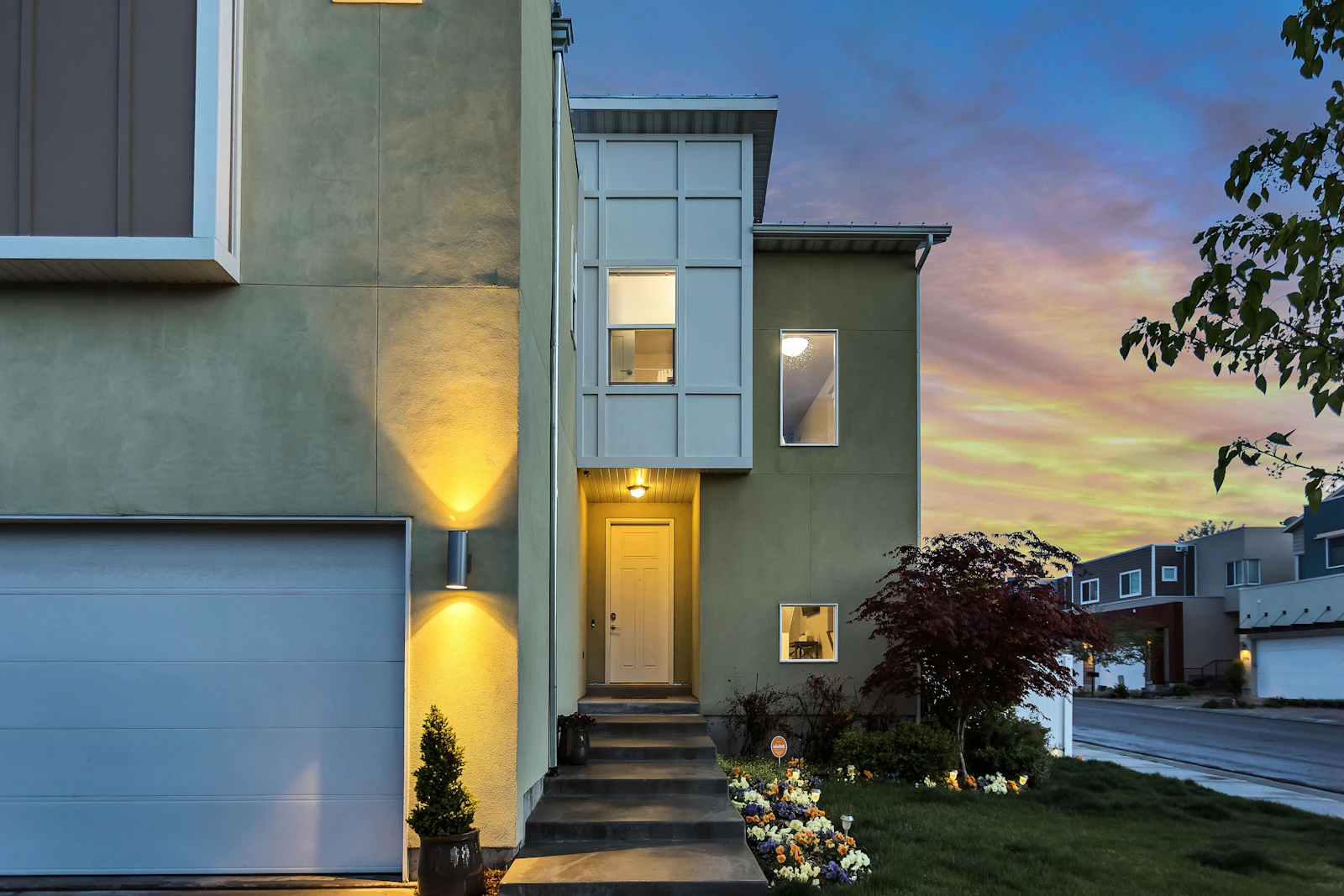
Material selection should begin with the home’s existing proportions, rooflines, windows, porch details, and neighborhood context. Fiber cement and engineered wood can support lap siding, shakes, board-and-batten profiles, and accent areas, while vinyl provides broad flexibility for coordinated replacement work. Metal siding can create a deliberate modern contrast but may be less appropriate for homes designed around traditional detailing.
A coordinated exterior plan can improve both appearance and efficiency. For example, new siding may be planned alongside roofing services, window replacement, trim upgrades, or other exterior services. Aligning these components helps reduce visual inconsistencies and creates seamless transitions around corners, openings, eaves, and entry points.
The Best Choice Depends on Your Highest Priority
Choose vinyl siding when low maintenance, broad color selection, and practical weather protection are most important. Choose fiber cement when you want a durable, moisture-resistant material with a premium painted-wood appearance. Choose natural wood when authentic character is worth the ongoing maintenance commitment.
Choose engineered wood when you want a warm wood appearance with more protection than traditional wood can provide. Choose metal when a modern aesthetic, low upkeep, and strong weather performance align with your home’s design. A professional evaluation can help weigh these priorities against your home’s shade, landscaping, exposure, existing cladding, and long-term plans.
Professional Installation Protects Your Material Investment
Even a high-performing siding product can underperform when water management and transitions are overlooked. A professional installation should account for wall surfaces, openings, trim, corner details, roof-to-wall connections, and areas where moisture may collect. These details affect durability, interior comfort, maintenance needs, and the useful life of the entire exterior system.
CT Home Remodeling LLC approaches siding as part of a complete home improvement plan. Backed by 17 years of remodeling and construction experience. our family-owned team emphasizes honest communication, careful planning, and quality craftsmanship from start to finish. Homeowners can also explore the CT Home Remodeling LLC blog for additional guidance on remodeling, materials, and exterior maintenance.
Frequently Asked Questions About Connecticut Siding
Which siding material is best for Connecticut weather?
Fiber cement is often the strongest all-around option because it combines durability, moisture resistance, pest resistance, and a wood-like appearance. However, vinyl, engineered wood, metal, and natural wood may be better choices depending on your maintenance preferences, architectural style, and property exposure.
Is vinyl siding moisture-resistant?
Vinyl itself does not absorb water and will not rot like natural wood. However, the wall assembly still needs appropriate drainage and detailing so that moisture does not become trapped behind the siding.
Does fiber cement siding require maintenance?
Fiber cement requires less maintenance than natural wood, but it is not maintenance-free. Homeowners should monitor joints, caulk, painted surfaces, and areas exposed to water or physical impact.
Is engineered wood better than natural wood for a Connecticut home?
Engineered wood generally offers greater consistency and moisture protection than traditional wood while preserving a wood-grain appearance. It still requires maintenance, particularly at joints, edges, and painted or sealed surfaces.
Can siding be coordinated with new windows or roofing?
Yes. Coordinating siding with window replacement or roofing work can improve transitions, trim alignment, weather protection, and overall curb appeal. Planning these exterior components together can also support a more efficient renovation process.
Plan a More Durable Connecticut Exterior
The right siding material should protect the home, complement its architecture, and remain manageable throughout the seasons. CT Home Remodeling LLC is based in Andover, Connecticut, and serves Central and Eastern Connecticut with reliable exterior remodeling guidance and craftsmanship. When you are ready to review siding materials for your home, contact CT Home Remodeling LLC for a practical conversation focused on longevity, experience, and your priorities.
Image-alt suggestions
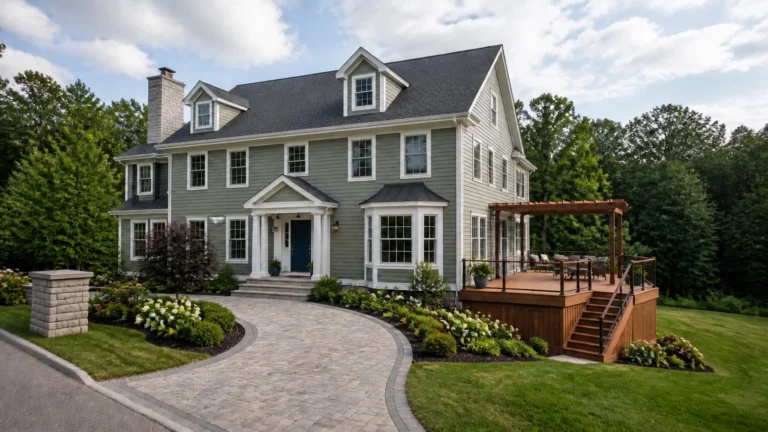
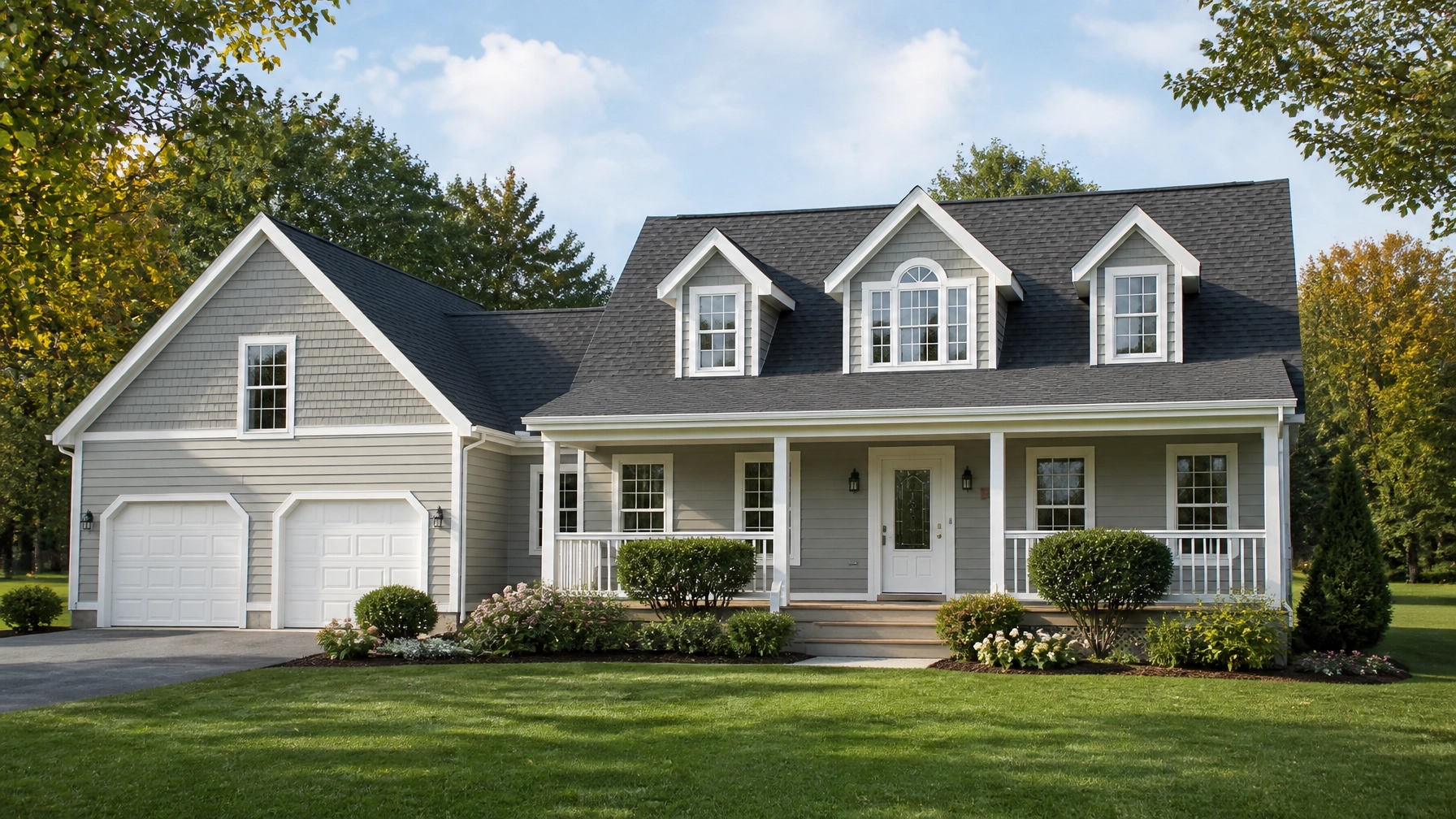
- Connecticut Colonial home with fiber cement siding and white architectural trim
- Traditional New England house with gray siding and contrasting white windows
- Comparison of vinyl, fiber cement, natural wood, engineered wood, and metal siding samples
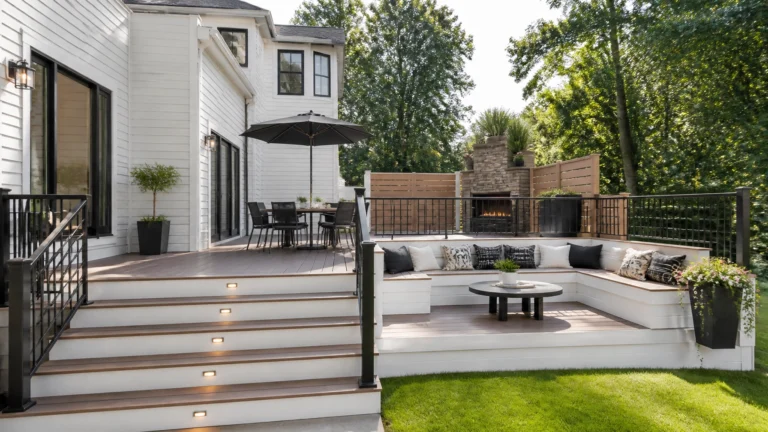
- Modern home exterior with contrasting white and dark metal siding panels