
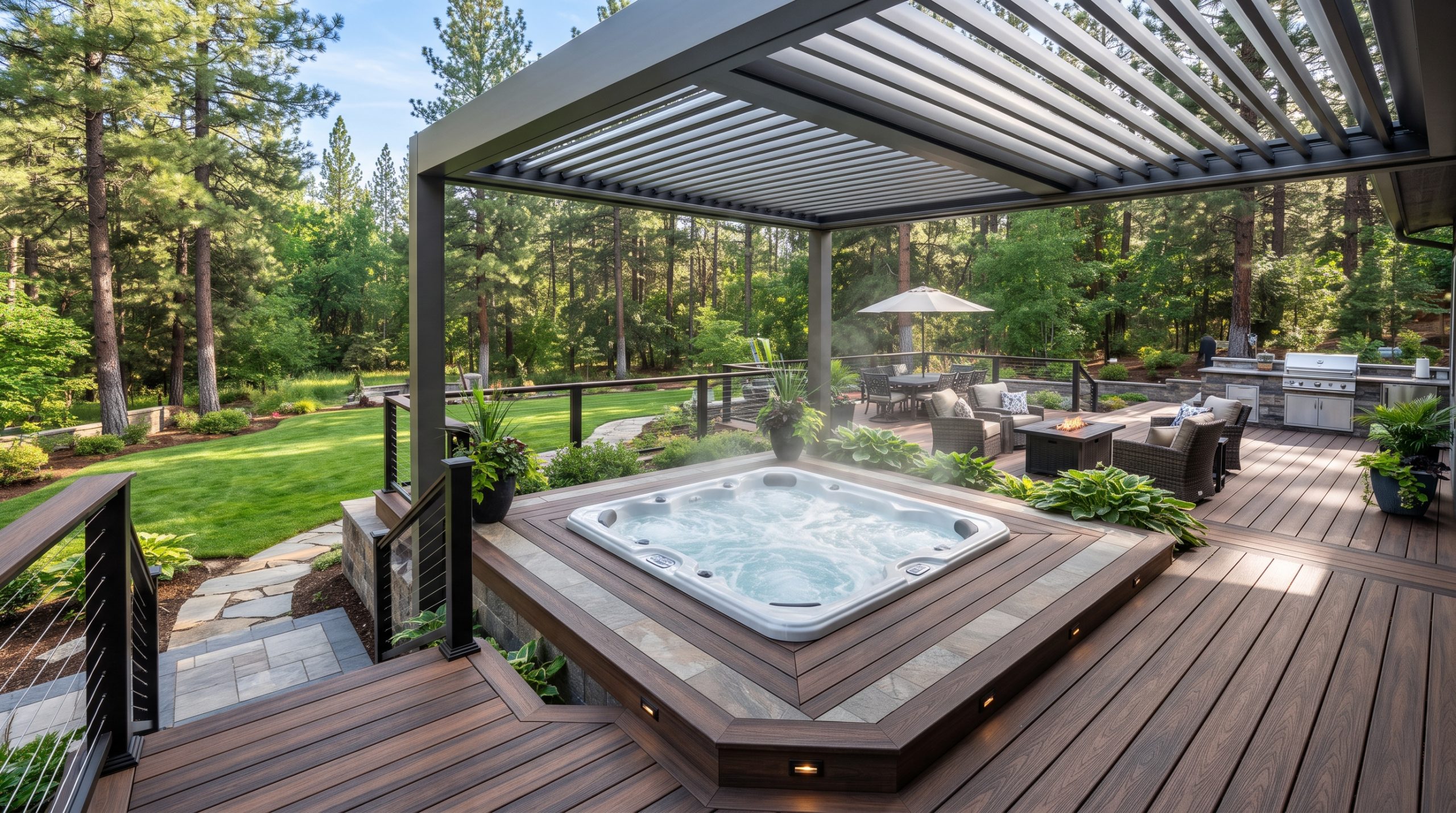
Deck Maintenance in Connecticut: A Seasonal Care Guide for Homeowners
Connecticut decks experience a wide range of conditions throughout the year, including humid summers, heavy rain, falling leaves, freezing temperatures, snow, and repeated freeze-thaw cycles. A consistent seasonal maintenance routine helps protect the deck surface, preserve structural components, and maintain the outdoor space as a functional extension of your home.
So, how do you keep your deck in good shape all year? The most effective approach is to inspect and clean it in spring, perform light upkeep during summer, prepare it for colder weather in fall, and winterize it before snow and ice arrive. These steps help extend the service life of your deck while protecting the value and usability of your exterior investment.
Spring Maintenance Protects the Deck After Winter Exposure
Spring is the right time for a thorough visual inspection because winter moisture and temperature changes can reveal problems that were not visible in the fall. Begin by removing furniture, planters, mats, and other items so you can examine the full walking surface and the areas below the deck where accessible.
Look for soft or spongy boards, splintering, cracked stairs, loose railings, warped decking, and signs of rot or insect activity. Examine the ledger area where the deck meets the home, along with visible framing, joist connections, posts, and stair supports. If you notice movement, significant deterioration, or a condition you cannot evaluate confidently, consult a qualified remodeling professional before using the affected area.
Spring maintenance also includes checking for raised nails, loose screws, shifting boards, and corroded hardware. Tightening appropriate fasteners and replacing heavily rusted components helps reduce movement and prevents small issues from affecting larger sections of the deck. Stable railings and secure stair treads provide practical peace of mind for everyday use.
Deep Cleaning Removes Moisture-Trapping Debris
Cleaning is one of the simplest ways to protect a deck’s appearance and longevity. Start by sweeping away leaves, sand, branches, and other debris, then clear material from the gaps between boards so water can drain instead of remaining trapped against the wood.
Use a deck cleaner or mild detergent according to the product manufacturer’s directions. Apply the solution in manageable sections, scrub with a stiff synthetic-bristle brush, and rinse thoroughly with a garden hose. Test any cleaner on a small, less visible area first, especially if the deck has a previous stain or finish.
Pressure washing requires caution because excessive pressure can raise the wood grain, damage softer boards, or leave visible marks. A low-pressure or soft-washing approach is generally more appropriate for many wood surfaces, while composite decking should be cleaned according to the manufacturer’s recommendations. A clean surface dries more evenly and provides a better foundation for any protective treatment.

Sealing and Staining Helps Wood Resist Weathering
After cleaning, allow a wood deck to dry completely before applying stain or sealer. Cool temperatures, shade, and humidity can extend drying time, so follow the product label rather than relying only on a fixed calendar schedule.
A simple water-bead test can help you evaluate an existing finish. Place a small amount of water on a dry board; if it beads on the surface, some protection may remain, while water that quickly absorbs may indicate that the finish is wearing away. This test is only a starting point because high-traffic areas, stairs, and sun-exposed sections may wear differently from the rest of the deck.
Choose a product suited to the deck’s wood species, age, and existing finish. Transparent sealers preserve more of the natural appearance, while pigmented stains can provide additional color consistency and UV protection. The functional goal is not simply a refreshed appearance: it is reducing moisture absorption, surface checking, and premature deterioration that can shorten the deck’s useful life.
Most wood decks need renewed protection periodically, often within a one- to three-year range depending on exposure, traffic, and product performance. Composite decking typically does not require staining or sealing, but it still benefits from routine cleaning and prompt removal of spills, leaves, and organic growth.
Summer Upkeep Preserves Appearance and Comfort
Summer maintenance is primarily about preventing small sources of wear from becoming permanent damage. Sweep the deck regularly, rinse away dirt after storms, and clean grease or food spills near grilling areas as soon as practical. These habits help limit staining and keep the surface more inviting for outdoor meals and relaxation.
Monitor shaded areas, corners, and locations beneath furniture for mildew or algae. Moisture stays longer in these areas, particularly when airflow is limited. Spot-cleaning early can help prevent discoloration from spreading across a larger portion of the deck.
Furniture placement also affects long-term deck performance. Move chairs, tables, planters, and storage pieces occasionally so the finish receives more even exposure to sunlight and moisture. Use non-staining protective pads beneath furniture legs, place planters on risers to encourage drainage, and avoid leaving wet rugs or rubber-backed mats on wood for extended periods.
Thoughtful furniture care protects both the deck and the items placed on it. Cushions should be stored when not in use, and metal furniture bases should be checked for rust that could transfer stains to the decking.
Fall Preparation Reduces Winter Moisture Problems
Fall is an important maintenance season because wet leaves and organic debris can remain on the deck for weeks if they are not removed. Sweep away leaves, acorns, pine needles, and branches regularly, and clear the gaps between boards again before temperatures drop.
A second thorough cleaning is useful for heavily used decks or spaces beneath trees. Once the surface is clean and dry, examine high-traffic areas, stairs, and entry points for worn finish, bare patches, raised fasteners, or newly visible damage. Touch-ups may be appropriate for isolated wear, while a broader refinishing process may be better when protection is uneven across the deck.
Fall is also a good time to inspect drainage around the deck. Keep downspouts directed away from the structure, remove debris that blocks runoff, and maintain clear space around accessible posts and supports. Good drainage limits prolonged moisture exposure and helps protect the deck, adjacent siding, and nearby landscaping.

Winterizing Keeps Snow and Ice From Creating Extra Wear
Before winter, remove or secure lightweight furniture, cushions, umbrellas, and decorative accessories. Storing textiles helps prevent mildew, while clearing the deck gives snow and ice fewer surfaces to collect around.
If snow must be removed, use a plastic shovel rather than a metal edge that could gouge the surface. Shovel in the direction of the decking boards and avoid scraping aggressively against composite surfaces. For icy conditions, select a product labeled for use with your deck material and follow its instructions; some de-icing products can discolor finishes or affect nearby plants and metal components.
Do not use the deck as long-term storage for firewood, wet equipment, or materials that restrict drainage and airflow. After major storms, check that snow is not accumulating unevenly around railings, stairs, or areas where water naturally collects. These simple precautions help limit moisture retention and surface damage during the coldest months.
Material-Specific Care Supports Better Long-Term Results
Wood, composite, and hardwood decking should not all be maintained in exactly the same way. Pressure-treated wood and cedar may need periodic cleaning, staining, and sealing, while composite decking generally relies on routine washing and manufacturer-approved products.
Exotic hardwoods may benefit from a compatible UV-protective oil if you want to preserve their original color. Without continued protection, many hardwoods naturally change tone over time. That color change is not necessarily a defect, but your maintenance plan should reflect whether you prefer a weathered appearance or a more consistent original finish.
Always identify the deck material before selecting cleaners, sealers, stain removers, or ice-melt products. Using an incompatible product can create discoloration or make future maintenance more difficult.
Know When Maintenance Should Become a Repair Plan
Routine care is appropriate for cleaning, tightening accessible fasteners, addressing light surface wear, and maintaining furniture. A more detailed repair evaluation may be warranted when you find soft boards, persistent water damage, loose railings, deteriorated stairs, noticeable movement, or widespread finish failure.
Addressing these concerns early can help preserve adjacent components and reduce the chance that one damaged area affects the deck’s overall usability. CT Home Remodeling LLC provides deck design, construction, repair, and restoration services for homeowners planning to maintain, improve, or replace an outdoor living space.
If your goals extend beyond the deck, a coordinated patio design and installation plan can create smoother movement between seating, dining, landscaping, and other backyard zones. Additional exterior improvements are also available through the company’s exterior remodeling services.
A Simple Year-Round Deck Maintenance Checklist
Spring
- Remove furniture and debris.
- Check boards, stairs, railings, posts, and visible framing.
- Tighten loose fasteners and note corroded hardware.
- Clean and rinse the surface carefully.
- Test the existing wood finish before sealing or staining.
Summer
- Sweep routinely and remove spills promptly.
- Watch shaded areas for mildew or algae.
- Move furniture and planters periodically.
- Use pads, risers, and breathable coverings where appropriate.
Fall
- Remove leaves and organic debris frequently.
- Complete a second cleaning if needed.
- Touch up worn finish or plan for broader refinishing.
- Check drainage and keep runoff moving away from the home.
Winter
- Store cushions and lightweight accessories.
- Use a plastic shovel for snow removal.
- Choose deck-compatible ice treatment products.
- Avoid storing wet materials that restrict airflow or drainage.
Frequently Asked Questions About Connecticut Deck Maintenance
How often should I clean my deck?
A thorough cleaning at least once a year is a practical starting point, with spring often being the most important season. A second cleaning in fall can be useful for decks beneath trees, decks exposed to heavy moisture, or outdoor spaces that receive frequent use. Light sweeping and spot cleaning should continue throughout the warmer months.
When should I reseal or restain a wood deck?
The timing depends on the wood species, sun exposure, traffic, weather, and the product previously used. Many wood decks need renewed protection approximately every one to three years, but the water-bead test and the condition of high-traffic areas can provide more useful guidance than the calendar alone.
Can I pressure wash my deck?
Pressure washing can damage wood when the pressure is too high or the nozzle is held too close to the surface. If it is used, select a low-pressure approach and keep the equipment moving evenly. For composite decking, follow the manufacturer’s cleaning guidance to avoid surface damage or warranty concerns.
Should I remove outdoor furniture for winter?
Store cushions, umbrellas, rugs, and other textiles whenever possible. Lightweight furniture should also be stored or secured, while heavier pieces should be positioned to avoid blocking drainage. Keeping the deck clear improves airflow and makes it easier to remove snow and debris.
What are signs that my deck needs professional attention?
Soft or spongy boards, unstable railings, damaged stairs, widespread rot, recurring moisture problems, and noticeable movement deserve prompt attention. A remodeling professional can help determine whether targeted repairs, restoration, or a larger deck improvement plan best supports your home and lifestyle.
Protect Your Outdoor Investment With Consistent Care
Seasonal deck maintenance is most effective when it becomes a recurring part of your home care routine rather than a single annual project. Cleaning, fastener checks, finish maintenance, furniture care, and winter preparation each support a longer-lasting, more comfortable outdoor space.
CT Home Remodeling LLC is based in Andover, Connecticut, and serves homeowners throughout Central and Eastern Connecticut, including Hartford, Tolland, Windham, Middlesex, New London, and New Haven Counties. Backed by 17 years of remodeling and construction experience. Contact the team when you need guidance on maintaining, repairing, or improving a deck tailored to your lifestyle.
For more homeowner education, visit the CT Home Remodeling LLC blog, or review the company’s Connecticut service areas before starting a conversation.