Durable Flooring for High-Traffic Areas in Connecticut Homes
How do I choose the right flooring for a high-traffic home? Begin with the way each room is used, then compare flooring materials according to durability, maintenance, moisture resistance, comfort, and style. Connecticut homeowners also need to consider seasonal conditions, including wet footwear, tracked-in grit, changing humidity, and temperature shifts.
The most practical choice is not always the hardest surface or the most traditional material. A well-planned combination of hardwood, laminate, tile, and luxury vinyl can provide seamless movement throughout the home while matching each room’s performance needs. Choosing correctly helps reduce premature replacement, supports long-term home appeal, and improves everyday comfort.
Start with Traffic, Moisture, and Daily Habits
A high-traffic area may be a front entry, hallway, kitchen, family room, mudroom, or basement stair landing. Each location experiences different types of wear, so the flooring should be selected according to the specific demands of the space.
Entryways are exposed to moisture, salt, sand, and grit during Connecticut winters. Kitchens experience spills, dropped items, food residue, and frequent movement around islands. Family rooms and hallways may need to handle pets, children, furniture movement, and repeated foot traffic without making the entire home feel utilitarian.
Consider these questions before selecting a material:
- Does the room regularly experience moisture or standing water?
- Will pets, children, or guests use the space frequently?
- Is comfort underfoot important?
- How much daily cleaning is practical for your household?
- Should the new flooring connect visually with adjacent rooms?
These answers create a more useful starting point than choosing based on appearance alone.
Hardwood Provides Timeless Style and Long-Term Appeal
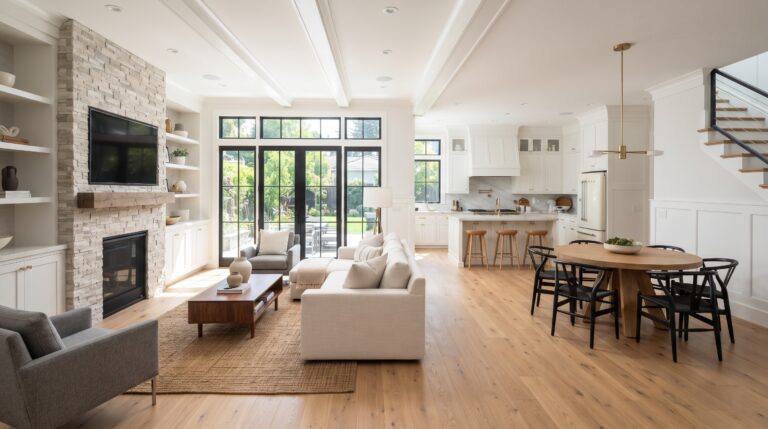
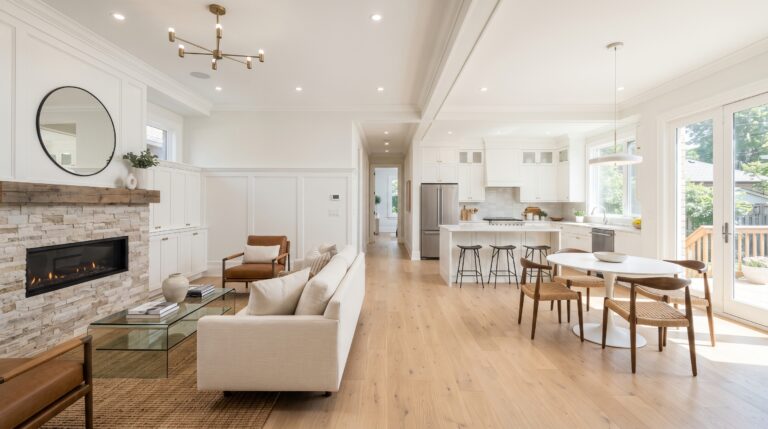
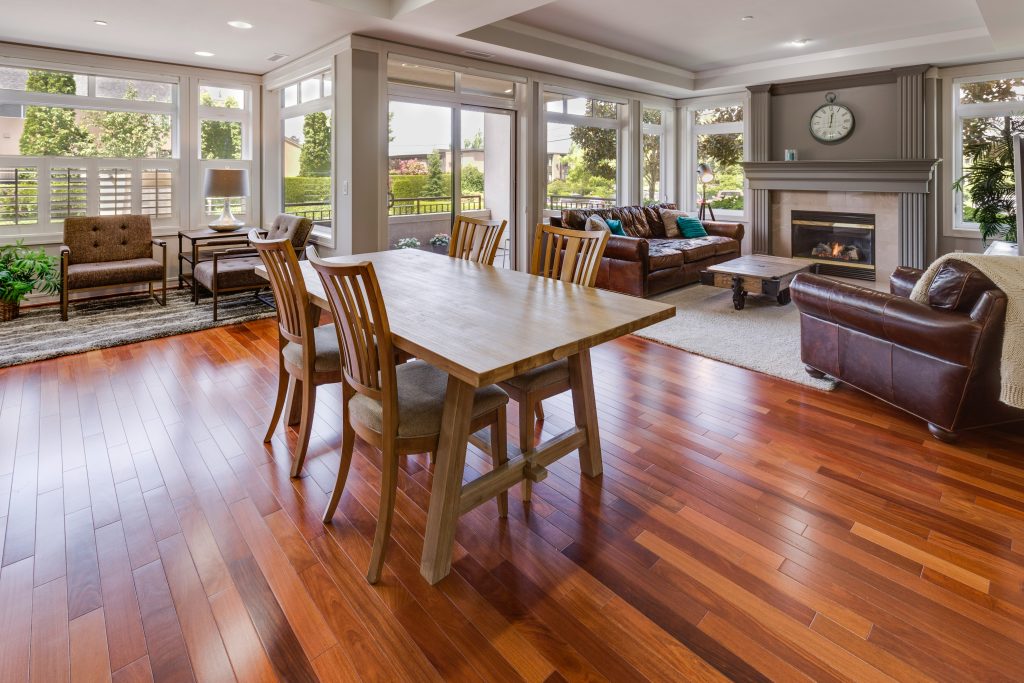
Hardwood flooring creates warmth, natural character, and timeless elegance in living rooms, dining rooms, bedrooms, and carefully planned open-concept spaces. Its visual consistency can help rooms feel connected, while natural wood tones complement both traditional and contemporary interiors.
Engineered hardwood can offer greater dimensional stability than solid hardwood, which is useful in homes that experience seasonal humidity changes. However, hardwood is not waterproof, so it requires prompt attention to spills and should be selected carefully for kitchens, bathrooms, basements, and other moisture-prone areas.
Hardwood can be a strong long-term flooring investment when homeowners are prepared to use protective measures. Door mats, area rugs, felt pads beneath furniture, and regular removal of tracked-in grit can help reduce scratches. A durable finish and appropriate maintenance can preserve the floor’s appearance while making the home more attractive to future occupants.

Laminate Delivers Scratch Resistance in Dry, Busy Rooms
Laminate flooring is designed to provide a wood- or stone-inspired appearance with a durable wear surface. Its scratch resistance makes it useful for hallways, living rooms, dining areas, and upstairs spaces where moisture is controlled.
The main limitation is water exposure. Although some laminate products include improved moisture protection, the core can be vulnerable when water reaches seams or remains on the surface. For that reason, laminate is generally better suited to dry high-traffic areas than bathrooms, laundry rooms, basements, or entryways that regularly receive wet footwear.
Maintenance is straightforward when the manufacturer’s care instructions are followed. Regular sweeping or vacuuming removes grit before it can create surface wear, while a lightly damp cleaning method helps avoid excessive moisture. Laminate can support a consistent design throughout dry areas without requiring the maintenance routine associated with natural wood.
Tile Handles Moisture, Grit, and Heavy Use
Tile is one of the most durable options for areas exposed to water, mud, and frequent cleaning. Porcelain, ceramic, and natural stone tile can support kitchens, bathrooms, entryways, mudrooms, and laundry rooms when the material and installation approach are suited to the room.
A properly selected tile surface resists moisture and stands up well to everyday wear. Larger formats can reduce the number of grout joints in a design, while textured or matte finishes may provide a more practical feel in areas where wet footwear is common. Grout still requires regular attention, so the complete floor should be considered as a system rather than focusing only on the tile itself.
Tile’s primary comfort consideration is its hard, cool feel underfoot. Area rugs, runners, and thoughtful placement can make living spaces more comfortable, while tile’s clean appearance and design flexibility support both modern and traditional interiors.

Luxury Vinyl Balances Durability, Comfort, and Moisture Resistance
Luxury vinyl plank and luxury vinyl tile are practical choices for homeowners who want wood- or stone-inspired style with simpler maintenance. Many products are designed to resist moisture, scratches, and everyday wear, making them suitable for kitchens, basements, hallways, family rooms, and some bathrooms.
Luxury vinyl also provides a softer and warmer feel than tile. That benefit is especially noticeable in rooms where homeowners stand for long periods, such as kitchens or laundry areas. The surface can support comfortable daily movement while still offering a clean, structured appearance.
When comparing luxury vinyl products, review the manufacturer’s wear-layer information, warranty terms, surface texture, and installation requirements. A stronger wear surface may be appropriate for homes with pets, children, or frequent guests. Proper subfloor preparation remains essential because an uneven foundation can affect appearance, movement, and long-term performance.

Match Flooring to Each Room for Better Performance
A single flooring material can create visual continuity, but using the same product everywhere is not always the best functional decision. Strategic transitions can preserve a cohesive design while allowing each room to receive the protection it needs.
| Room or area | Flooring options to consider | Primary benefit |
|---|---|---|
| Entryway or mudroom | Tile or moisture-resistant luxury vinyl | Helps manage wet footwear, salt, and grit |
| Kitchen | Luxury vinyl, tile, or carefully protected hardwood | Balances spills, comfort, and visual connection |
| Hallway or family room | Hardwood, laminate, or luxury vinyl | Supports repeated movement and design continuity |
| Basement | Luxury vinyl or tile | Better suited to moisture-related concerns |
| Bathroom or laundry room | Tile or an appropriately rated waterproof luxury vinyl product | Simplifies cleanup and supports moisture resistance |
| Bedroom | Hardwood, laminate, luxury vinyl, or carpet | Prioritizes comfort, quiet, and personal style |
Room planning also affects return on investment. Durable flooring in demanding locations can help reduce maintenance concerns, while attractive transitions and consistent colors make the home feel more intentional and easier to update later.
Maintenance Protects the Floor and the Investment
The best flooring still requires a maintenance plan. Place durable mats at exterior doors to collect moisture, sand, and salt before they reach the main floor. Sweep or vacuum high-traffic areas regularly, using equipment appropriate for the selected material.
Clean spills promptly, especially on hardwood and laminate. Use cleaning products recommended for the specific floor, and avoid excessive water unless the material and installation are designed to handle it. Felt pads beneath furniture legs can reduce scratching, while rugs and runners can protect concentrated traffic paths without hiding the entire floor.
Maintenance also includes monitoring the areas where flooring changes material. Transitions should remain secure, and moisture-prone zones should be kept clean and dry. These small steps support longevity and help the floor continue contributing to the home’s appearance.
Professional Installation Supports Long-Term Results
Material selection is only part of a successful flooring project. Subfloor preparation, moisture considerations, layout planning, transitions, and finishing details all influence how the floor performs over time.
Professional planning can help homeowners coordinate flooring with cabinetry, doors, trim, stairways, and adjacent rooms. An optimized layout reduces visual interruptions and improves seamless movement from one area to another. It also helps ensure that the selected product is being used in a location where its strengths provide the greatest practical benefit.
CT Home Remodeling LLC provides flooring installation and related preparation services as part of a broader approach to home improvement. The company is based in Andover, Connecticut, and serves homeowners throughout Central and Eastern Connecticut. Homeowners considering a larger update can also explore home remodeling services and the company’s Connecticut service areas.
FAQ: Choosing Flooring for High-Traffic Areas
What is the most durable flooring for a busy Connecticut entryway?
Tile and luxury vinyl are practical options for entryways because they can handle frequent cleaning and exposure to moisture. Tile prioritizes maximum hardness and durability, while luxury vinyl offers a warmer and softer feel underfoot.
Is hardwood a good choice for a high-traffic kitchen?
Hardwood can work in a kitchen when spills are cleaned promptly and the floor is properly protected. However, it is not waterproof, so luxury vinyl or tile may be more practical where standing water, wet footwear, or frequent spills are common.
Is laminate suitable for hallways and family rooms?
Laminate can be a good choice for dry, high-traffic rooms because its wear surface is designed to resist everyday scratches. It should be protected from prolonged moisture and cleaned with limited water.
Which flooring is most comfortable for standing and walking?
Luxury vinyl generally feels warmer and more forgiving than tile while remaining easier to maintain than many natural materials. Hardwood can also provide a comfortable, warm surface, particularly in living areas and bedrooms.
How can I make durable flooring look more elegant?
Use consistent tones, carefully planned transitions, and flooring patterns that complement the room’s proportions. Wide planks, restrained color variation, natural textures, and coordinated trim can create timeless elegance without sacrificing performance.
Does professional subfloor preparation matter?
Yes. Leveling, repairs, and moisture-related preparation help the finished floor look consistent and perform as intended. A strong foundation can also reduce movement, visible irregularities, and avoidable maintenance concerns.
For guidance tailored to your rooms, household routines, and long-term remodeling goals, contact CT Home Remodeling LLC. Based in Andover, Connecticut, the family-owned company serves Central and Eastern Connecticut with professional remodeling and flooring services. Backed by 17 years of remodeling and construction experience, CT Home Remodeling LLC can help you plan flooring that supports comfort, durability, and lasting value.