
Exterior Refresh Ideas for Connecticut Homes: Small Updates, Big Impact
How can you refresh your exterior without replacing everything? The most effective approach is to evaluate the visible elements as one design system, then update the features that have the greatest effect on appearance, function, and long-term value.
Painting, a new entry door, improved lighting, updated trim, and more intentional landscaping can make an older exterior feel current without requiring a complete transformation. For Connecticut homeowners, the best refresh also considers seasonal weather, material durability, maintenance needs, and how each improvement supports the next.
Begin with a Focused Exterior Assessment to Improve Return on Investment
Before selecting colors or materials, view your home from the street and identify what looks worn, mismatched, or difficult to see. Pay close attention to the front door, trim, siding condition, walkways, lighting, and landscaping because these areas shape the first impression more than less visible features.
Prioritize updates that improve both appearance and performance. For example, repairing deteriorated trim protects the surrounding exterior, while replacing a poorly sealed door can improve comfort and create a more defined entry point. This approach helps direct attention toward improvements that provide lasting value rather than temporary decoration.
If the siding is generally sound but looks dated, a targeted upgrade may be enough. Explore siding services from CT Home Remodeling LLC to review options for repairs, accent siding, decorative trim, or a more comprehensive exterior update.
Use Paint to Create Cohesion Without Replacing the Exterior
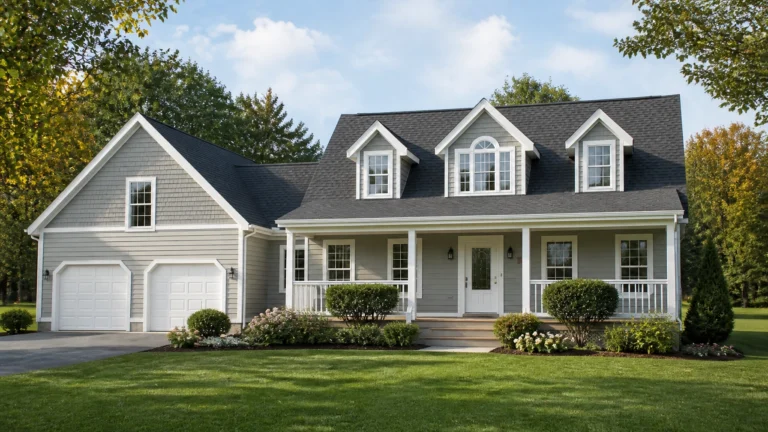
Exterior paint can change the character of a home while preserving the existing siding, architectural details, and overall structure. A practical color plan usually includes a primary exterior color, a trim color, and one controlled accent for the front door or shutters.
Start with fixed elements such as the roof, masonry, and foundation. Cool gray, warm white, muted green, navy, and charcoal can each work effectively, but the right selection depends on the roof color, natural light, window style, and architectural period of the home.
Painting trim, fascia, porch columns, and window surrounds can make the exterior appear cleaner and better maintained. Using a durable finish suited to exterior surfaces supports easier maintenance and helps the refreshed appearance last through Connecticut’s seasonal changes.
Avoid introducing too many unrelated colors. Coordinated contrast makes architectural features easier to read, improves curb appeal, and creates a more timeless result that remains attractive if you decide to sell later.

Refresh the Front Door to Define the Home’s Main Focal Point
The front door is one of the most visible features on a home exterior, so a focused door update can deliver a noticeable change without altering the entire façade. Repainting the existing door works well when the material is in good condition and the proportions suit the entry.
A new color can provide contrast against neutral siding, while updated hardware adds a finished appearance. Consider coordinating the handle, lockset, knocker, house numbers, and mailbox so the entry feels intentional rather than assembled from unrelated pieces.
When the existing door is drafty, damaged, difficult to operate, or visually undersized, replacement may provide greater long-term value. A new door with carefully selected glazing can also introduce more natural light into the foyer while improving the transition between indoor and outdoor spaces.
Garage doors should be considered as part of the same composition. Matching the garage door’s finish or hardware to the front entry creates visual balance, particularly on homes where the garage occupies a prominent portion of the front elevation.
Layer Exterior Lighting for Safety, Visibility, and Evening Appeal
Exterior lighting improves more than nighttime appearance. Well-placed fixtures make entry steps, walkways, and changes in elevation easier to navigate, providing practical peace of mind for residents and guests.
Begin with the front door and garage using appropriately scaled wall-mounted fixtures. Add path lighting where the walkway is difficult to read after dark, then consider subtle accent lighting for trees, planting beds, stonework, or distinctive architectural details.
A layered plan is more effective than installing bright fixtures everywhere. Ambient lighting defines the entry, task lighting supports movement, and accent lighting adds depth without overwhelming the façade. Energy-efficient LED fixtures can also reduce maintenance by extending replacement intervals.
Lighting should coordinate with the home’s hardware and trim. Black, bronze, brushed metal, and other finishes each create a different impression, so selecting one primary finish helps connect the door, sconces, house numbers, and landscape lighting.

Update Trim and Architectural Details for Definition
Trim provides scale, contrast, and visual organization. Updating porch columns, railings, shutters, window surrounds, gable details, or entry framing can make a familiar exterior look more refined without changing its primary cladding.
Use trim to highlight the home’s strongest features rather than adding details to every surface. Wider, well-proportioned casing around the entry can create a stronger focal point, while refreshed fascia and soffit areas can make the roofline appear cleaner.
Shutters should be evaluated for proportion and placement. Undersized or poorly matched shutters can make windows look disconnected from the rest of the façade. In some cases, repainting is sufficient; in others, replacing or removing them may create a more balanced appearance.
Porch railings and stair components also influence daily usability. Durable materials and comfortable handrails support safer movement, while a consistent finish helps these functional features contribute to curb appeal and long-term exterior value.
Use Landscaping to Frame the Home Instead of Hiding It
Landscaping has the greatest visual effect when it directs attention toward the entry and complements the home’s architecture. Begin by trimming overgrown shrubs, clearing views of windows, and defining the walkway from the street to the front door.
Fresh mulch, structured planting beds, and a limited palette of seasonal plants can make the property feel maintained without requiring a complete landscape redesign. Choose plants according to sunlight, moisture, mature size, and maintenance preferences so the design remains manageable over time.
Planters near the entrance can introduce color and symmetry, while small trees or layered shrubs can soften large exterior surfaces. Keep plantings from covering trim, siding, lighting fixtures, or house numbers because visibility contributes to both function and curb appeal.
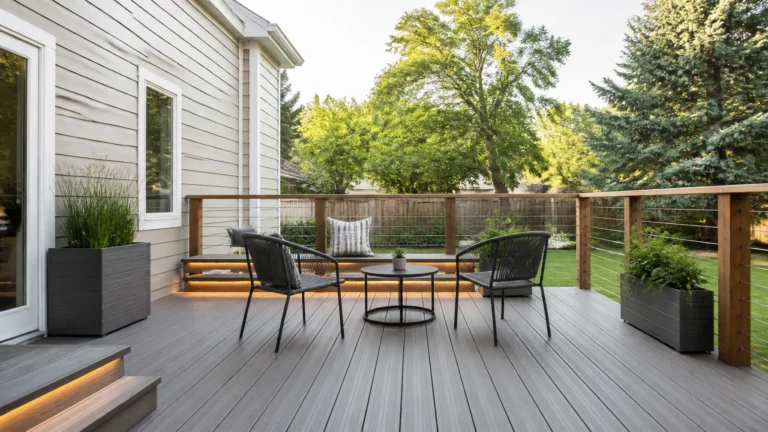
For homes with outdoor living areas, coordinate landscaping with existing or planned deck services and patio services. A consistent connection between the front entry, side paths, and backyard creates seamless movement around the property.

Coordinate Small Updates for a More Valuable Finished Result
Individual improvements become more effective when they share a clear visual direction. Choose a simple palette for paint, trim, doors, lighting, and outdoor materials before purchasing individual items.
A useful sequence is to clean and declutter first, address visible repairs second, then complete paint and trim work. Follow with entry hardware, lighting, planters, and landscaping accents so the final details reinforce the larger design.
You do not need to update every feature at once. A phased plan can begin with the front entry, then continue to trim, lighting, landscaping, siding accents, or outdoor living areas as your priorities develop. Documenting the color palette and material selections helps maintain consistency across future improvements.
The strongest refreshes balance timeless elegance with practical performance. Durable exterior materials, optimized lighting, clear walkways, and low-maintenance landscaping help make your home more attractive while supporting daily comfort and long-term return on investment.

Connecticut Exterior Refresh FAQ
Can I improve curb appeal without replacing my siding?
Yes. Painting compatible surfaces, refreshing trim, updating the front door, replacing hardware, improving lighting, and refining landscaping can create a substantial visual improvement. If portions of the siding are damaged or outdated, targeted repairs or accent siding may provide a more efficient solution than replacing the entire exterior.
What should I update first on an older Connecticut home?
Start with cleaning, visible repairs, and an evaluation of the entry. The front door, trim, lighting, and landscaping are usually the most noticeable elements from the street. Addressing these areas first creates a clear foundation for future improvements.
How do I choose exterior colors that will remain attractive?
Consider the roof, masonry, window frames, foundation, and surrounding landscape before selecting paint. Use one primary color, one trim color, and a restrained accent. Testing samples in morning, midday, and evening light can help you understand how the colors will appear throughout the day.
Is exterior lighting mainly decorative?
No. Exterior lighting supports visibility along walkways and stairs, improves the usability of outdoor areas after dark, and highlights architectural details. A layered lighting plan typically provides better results than relying on one bright fixture.
How can landscaping support a home’s long-term value?
Well-maintained landscaping frames the home, improves entry visibility, and creates a more welcoming first impression. Choosing plants and materials suited to the site can also reduce ongoing maintenance and help the exterior remain attractive through changing seasons.
Plan Your Exterior Refresh with a Local Remodeling Team
CT Home Remodeling LLC is based in Andover, Connecticut, and serves homeowners throughout Central and Eastern Connecticut, including Hartford, Tolland, Windham, Middlesex, New London, and New Haven Counties. Backed by 17 years of remodeling and construction experience. our team provides guidance for exterior improvements that balance appearance, durability, safety, and long-term value.
Review our exterior remodeling services, learn more about our service areas across Connecticut, or contact CT Home Remodeling LLC to discuss a refresh tailored to your home and lifestyle.