Clever Storage Ideas That Don’t Require New Cabinets
Limited storage does not always require a new wall of cabinets. By using vertical surfaces, underused corners, adaptable furniture, and well-organized containers, you can improve capacity while preserving open floor area and visual simplicity.
The most effective approach is to match each storage solution to the items you use, the way you move through the room, and the level of permanence you want. This guide explains how to create storage without adding cabinets in kitchens, bathrooms, bedrooms, and other areas of the home.
Start With Better Use of Existing Space
Before adding storage, take inventory of what is already available. Empty wall space, the backs of doors, the area above appliances, the space beneath furniture, and unused corners can often support practical organization without changing the room’s footprint.
Group items by frequency of use. Everyday essentials should remain within easy reach, while seasonal or occasional items can be placed higher or farther back in baskets and labeled containers. This simple planning step improves efficiency, reduces clutter, and helps ensure that every storage addition contributes to long-term function rather than creating more visual noise.
Open Shelving Adds Access and Visual Space
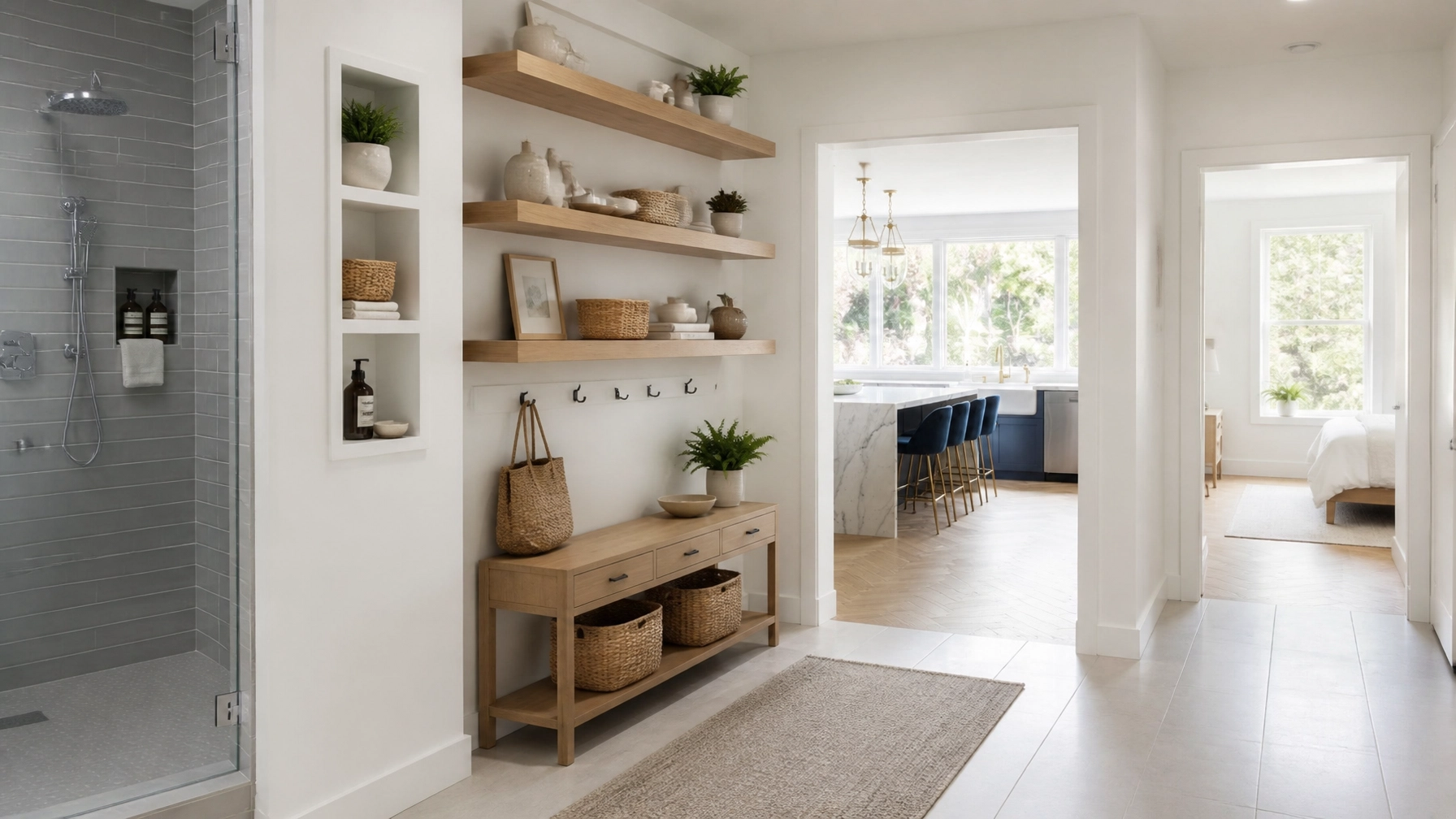
Open shelves are one of the most versatile alternatives to new cabinets. In a kitchen, they can hold dishes, glasses, cookbooks, or attractive pantry containers; in a bathroom, they can display folded towels and daily toiletries; in a bedroom, they can organize books, shoes, or folded clothing.
Use durable materials with finishes that coordinate with the surrounding room. Warm wood can soften a space dominated by white or gray surfaces, while painted shelves can blend more quietly into the wall. Keeping frequently used items on lower shelves and decorative or occasional items higher improves seamless movement and makes the storage system easier to maintain.
Open shelving can also make a room feel larger because it preserves sightlines. That visual openness may improve the perceived value of a compact space, particularly when the shelves are arranged with consistent containers and limited decorative objects.
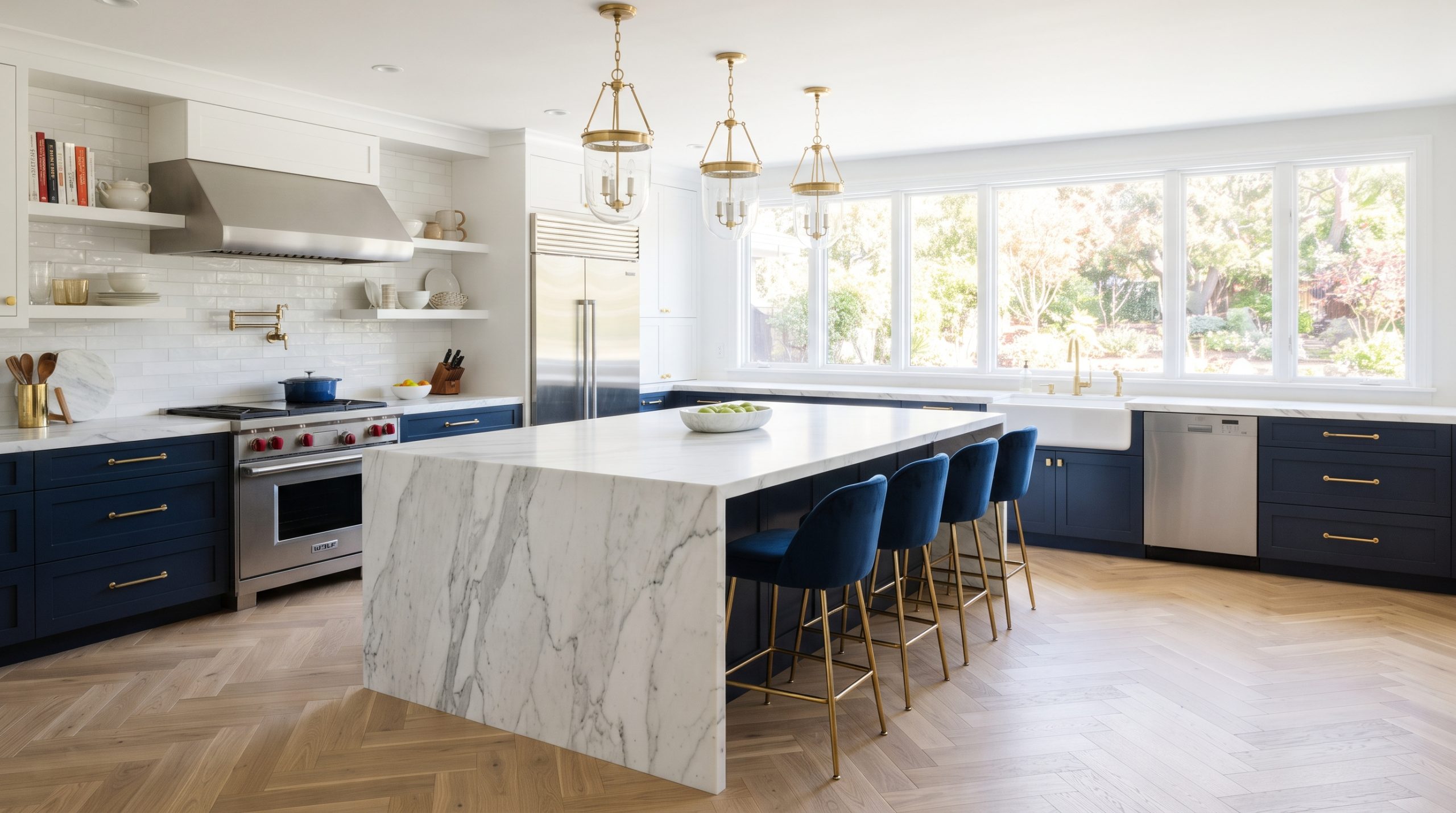
Built-Ins Create Permanent Storage in Difficult Areas
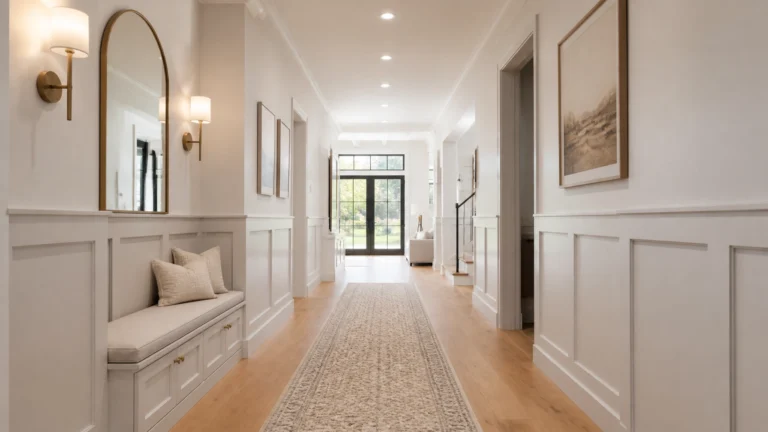
Built-ins can provide a more finished appearance without requiring conventional upper or lower cabinets throughout the room. A recessed niche, a shallow wall unit, a window-seat bench, or a series of integrated shelves can turn an awkward section of wall into useful storage.
Consider built-ins when you want storage that follows the architecture of the room. A narrow niche may hold linens in a bathroom, while a low built-in in a bedroom can store baskets, books, or folded clothing without interrupting the walking path.
The return on investment comes from using space precisely. Instead of purchasing several unrelated furniture pieces, a tailored built-in can improve organization, maintain a cohesive design, and make the room more attractive to future homeowners. For bedroom storage planning, explore built-in storage and custom closet design.
Furniture Pieces Provide Flexible Capacity
Storage furniture offers a practical solution when you want more organization without permanent construction. A narrow console, bookcase, rolling cart, nightstand, storage bench, or ottoman can add drawers, shelves, or concealed compartments while remaining adaptable over time.
In a kitchen, a rolling island or slim utility cart can hold baking supplies, serving pieces, or small appliances. In a bathroom, a narrow cart can fit beside a vanity or in an unused corner. In a bedroom, a trunk or bench at the foot of the bed can store spare bedding and provide convenient seating.
Choose furniture based on scale and clearance rather than storage capacity alone. A piece that blocks a doorway or narrows a walkway can reduce the functional value of the room. Well-proportioned furniture, by contrast, increases usability without requiring a full renovation.
Baskets and Bins Control Clutter Without Closing In the Room
Baskets are useful because they combine organization with visual consistency. They can group small items on open shelves, conceal bathroom supplies beneath a freestanding sink, or hold accessories inside a bedroom bookcase.
Use matching or coordinated baskets when storage remains visible. Labeling each container can make seasonal rotation easier and reduce the time spent searching for household items. Lidded bins are appropriate for less frequently used belongings, while open baskets work well for towels, blankets, shoes, and everyday accessories.
Baskets also make storage more flexible. If your household needs change, the containers can move from a bedroom to a hallway, basement, or laundry area without requiring a new construction project. That adaptability supports long-term value and helps the home remain organized through different stages of daily life.
Hooks and Wall Systems Turn Vertical Space Into Working Storage
Hooks, peg rails, and wall-mounted organization systems are especially effective in rooms where small items tend to accumulate. A kitchen wall rail can hold utensils, potholders, or frequently used tools. Bathroom hooks can organize robes and towels, while bedroom peg rails can display handbags, hats, scarves, and accessories.
A pegboard or modular wall system allows the arrangement to change as your needs change. Shelves, baskets, pegs, and hooks can be repositioned to support different categories of belongings. This makes the system useful for craft areas, home offices, mudrooms, and utility spaces as well as kitchens and bedrooms.
Install wall storage where it supports natural movement. Items used during meal preparation should be close to the work zone, while coats and bags should be positioned near the entry. Strategic placement reduces unnecessary steps and gives the room a more optimized layout.
Kitchen Storage Can Come From Walls, Carts, and Small Organizers
Kitchens often feel short on storage because counters, drawers, and cabinets must serve multiple functions. Open shelves can hold everyday dishes, while a wall-mounted rail or pegboard can move utensils and cookware out of crowded drawers.
A magnetic strip can organize suitable metal tools, and a narrow rolling cart can function as a movable pantry for spices, tea, baking supplies, or produce. Shelf risers inside existing cabinets can separate plates and cups, while pull-out trays can make items at the back easier to reach without installing new cabinetry.
For a larger kitchen planning discussion, see CT Home Remodeling LLC’s kitchen remodeling services. Even when new cabinets are not part of the plan, an optimized layout, improved lighting, durable surfaces, and carefully selected storage accessories can enhance daily performance and protect the value of the renovation.
Bathroom Storage Should Prioritize Access and Moisture Management
Bathrooms benefit from storage that keeps essentials accessible while leaving the floor and counter as open as possible. A shelf above the toilet, a wall-mounted towel rack, or a slim ladder can add capacity without making a small bathroom feel crowded.
Use baskets for spare towels and toilet tissue, and reserve covered containers for items that should remain protected from humidity. A rolling cart can hold toiletries or cleaning supplies and can be moved when the room needs to be cleaned.
Storage features should support safety and convenience. Keeping daily products within reach reduces bending and searching, while clear pathways improve ease of movement. For broader bathroom layout and material planning, visit the bathroom remodeling page.

Bedrooms Can Gain Storage Under, Beside, and Above the Bed
The bedroom offers several storage opportunities beyond a traditional closet. Under-bed drawers, low bins, and lidded baskets can store seasonal clothing, shoes, and spare linens while keeping the main floor area clear.
An open bookcase can serve as an open wardrobe for folded clothing and baskets. Floating shelves can hold books and accessories, while hooks or a peg rail can keep frequently used items visible and organized. A storage bench at the foot of the bed adds both seating and concealed capacity.
Keep heavier items lower and reserve high shelves for belongings used less often. This arrangement improves accessibility and reduces the likelihood that storage will become difficult to maintain. For bedroom updates that include layout, lighting, flooring, and closet planning, review the company’s bedroom remodeling services.

Creative Solutions Make Awkward Areas Productive
Small gaps can provide meaningful storage when used intentionally. A slim cart can fit beside a refrigerator, washer, vanity, or toilet. The backs of doors can hold pocket organizers, hooks, or shallow racks for lightweight items.
Window seats, stair landings, hallway corners, and the space above a doorway may also support shelves or baskets. In a basement, under-stair areas can become useful locations for concealed storage, household supplies, or seasonal equipment. The goal is not to fill every available surface, but to choose locations that improve function without making the home feel crowded.
When selecting a creative solution, consider access, ventilation, cleaning, and the weight of the items being stored. Durable materials and straightforward organization will generally provide better long-term value than a complicated system that is difficult to use.
How to Choose the Right Storage Strategy
Start by identifying the problem rather than selecting a product. If countertops are crowded, prioritize wall-mounted storage or a rolling cart. If clothing is difficult to organize, consider open shelving, a clothing rack, under-bed containers, or a custom closet layout. If a bathroom lacks linen storage, combine a wall shelf with coordinated baskets.
Use permanent solutions where the need is stable and furniture or containers where flexibility matters. A balanced plan can preserve the room’s character, improve seamless movement, and avoid unnecessary construction while still making the home more attractive and functional.
CT Home Remodeling LLC is based in Andover, Connecticut, and serves homeowners throughout Central and Eastern Connecticut, including Hartford, Tolland, Windham, Middlesex, New London, and New Haven Counties. Backed by 17 years of remodeling and construction experience. To discuss a storage-focused kitchen, bathroom, bedroom, or whole-home improvement plan, contact CT Home Remodeling LLC or review the Connecticut service areas.
Frequently Asked Questions
Can I add useful storage without remodeling an entire room?
Yes. Open shelves, hooks, baskets, rolling carts, storage furniture, and under-bed containers can improve organization without a complete renovation. Begin with the areas that create the most daily inconvenience and choose solutions that fit the existing layout.
Are open shelves practical in a kitchen?
Open shelves are practical when they are placed near the items they hold and maintained with consistent organization. They work well for everyday dishes, glassware, cookbooks, and pantry containers, while less frequently used items can remain in existing cabinets or lidded bins.
How can I add bathroom storage without a new vanity?
Use shelves above the toilet, wall hooks, a towel ladder, a narrow rolling cart, and baskets beneath a freestanding sink. Moisture-resistant materials and easy-to-clean surfaces are important for maintaining performance over time.
What is the best cabinet-free storage option for a bedroom?
The best option depends on the items being stored. Under-bed containers work well for seasonal belongings, open shelving supports folded clothing, and hooks or peg rails organize accessories. A storage bench can combine concealed capacity with useful seating.
When should I consider built-in storage?
Built-ins are appropriate when you want a permanent, tailored solution for an awkward wall, recessed area, window seat, or bedroom closet. They can maximize difficult spaces while creating a cohesive appearance, particularly when planned as part of a broader room renovation.